Wong Tai Sin Temple is one of the most famous temples in Hong Kong and a place where people go to pray for good luck, health, and happiness. Located in the Wong Tai Sin district of Kowloon, the temple is surrounded by tall buildings but offers peace and calm to everyone who visits. It was built in 1921 and is dedicated to Wong Tai Sin, a Taoist deity known for answering prayers. The temple is also popular among Buddhists and Confucian followers, making it a unique place where three major Chinese religions come together. Locals and tourists visit not only to worship but also to enjoy the beautiful architecture, see people making offerings, and experience traditional Chinese culture in the heart of the city. The smell of incense, colorful decorations, and the sounds of prayers create an atmosphere that feels both spiritual and welcoming.
Table of Contents
The Story and Belief Behind Wong Tai Sin
The story of Wong Tai Sin comes from ancient China, during the Eastern Jin Dynasty, around the 4th century AD. His real name was Wong Cho Ping, and he was born into a poor family. When he was young, he became a shepherd and later learned Taoist teachings from a wise master. After years of practice, he gained special powers to heal the sick and help people in need. Because of his generosity and kindness, people began to call him Wong Tai Sin, meaning the “Great Immortal Wong.” Worshippers believe that when they pray to him with a sincere heart, their wishes will be granted. His temple in Hong Kong was built by Taoist priests who wanted to spread his teachings of compassion and honesty. Even today, many locals visit the temple to ask Wong Tai Sin for blessings in love, career, health, and safety, believing he listens to all who truly believe.
The Temple’s Beautiful Design
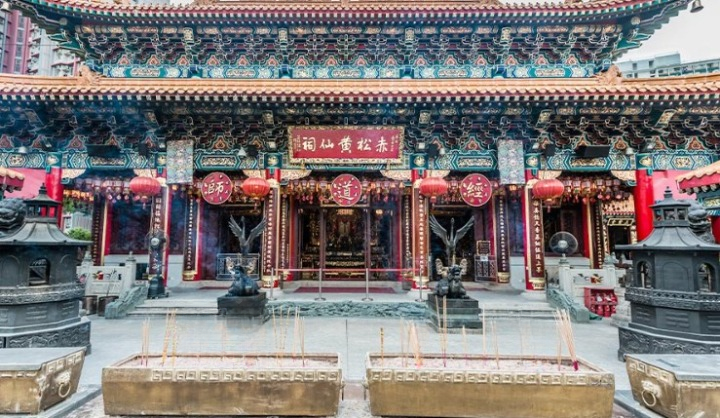
Wong Tai Sin Temple is known for its traditional Chinese architecture, full of bright colors and symbolic designs. The roofs are decorated with green tiles and golden dragons, while red pillars and walls bring a feeling of prosperity and good fortune. The main hall, which holds the statue of Wong Tai Sin, is the most important part of the temple. As visitors walk through, they can see intricate artwork on the walls and carvings of animals that represent strength, wisdom, and protection. The temple is built according to Feng Shui principles, creating a natural balance of energy between people and nature. Around the temple are peaceful courtyards and pavilions where people light incense and give offerings. The Good Wish Garden, next to the main area, is a small park with ponds, bonsai trees, and stone bridges that reflect old Chinese garden style. The temple’s beauty shows how art, nature, and faith can exist in harmony.
The Fortune-telling Tradition
One of the most popular activities at Wong Tai Sin Temple is fortune telling, known as “Kau Cim.” People kneel in front of the altar with a bamboo cup filled with fortune sticks and gently shake it until one stick falls out. Each stick has a number that matches a written message or poem, which is later interpreted by a fortune teller. Many locals come at the beginning of the year or during important life moments, such as when choosing a new job or relationship. The fortune telling helps people reflect on their choices and hopes for the future. Around the temple, there are small stalls where fortune tellers explain the meaning of each message using both traditional wisdom and personal advice. For many, it is not just about predicting the future but about finding comfort and motivation. Tourists often try it for fun and are amazed by how personal and thoughtful the answers can feel.
Festivals and Celebrations
Wong Tai Sin Temple becomes especially lively during major festivals, attracting thousands of visitors. The most important event is Wong Tai Sin’s birthday, celebrated on the 23rd day of the eighth lunar month. On this day, the entire temple is filled with colorful lanterns, flower offerings, and thick incense smoke. People line up from early morning to pray and thank the deity for blessings. Another big event is the Lunar New Year, when visitors come to offer the “first incense of the year,” hoping for prosperity and good luck. During these celebrations, the temple is surrounded by the sounds of drums and traditional lion dances, creating a joyful atmosphere. Even though it can get crowded, the feeling of togetherness is strong, as everyone shares the same hopeful energy for the year ahead. For visitors, these festivals are an unforgettable way to experience Chinese culture and faith in full color.
Wong Tai Sin Temple and the Local Community
The temple plays an important role in the daily life of the surrounding community. Many residents nearby visit regularly to pray or simply to find peace after a busy day. The temple is managed by an organization called Sik Sik Yuen, which also runs schools, elderly homes, and charity programs across Hong Kong. Through these efforts, the temple’s influence goes beyond religion, promoting kindness, education, and social care. It also helps keep traditional Chinese customs alive by teaching younger generations about Taoism and moral values. For many, Wong Tai Sin Temple is not just a place to worship but also a symbol of community spirit and unity. Despite the modern city growing around it, the temple continues to bring people together, offering both spiritual comfort and practical help to those in need. Its presence reminds everyone of the importance of compassion and harmony in daily life.
The Spiritual Experience
Visiting Wong Tai Sin Temple is more than sightseeing — it’s a deep spiritual experience. As soon as one walks through the gates, the smell of burning incense and the sound of chanting create a sense of calm. People bow before the statues, wave incense sticks, and whisper their wishes. The air feels heavy with faith and sincerity. Whether one is religious or not, the atmosphere touches the heart and encourages reflection. Some visitors come to pray for blessings, while others come just to enjoy a peaceful moment in a busy city. The temple teaches that happiness and luck come from doing good deeds and keeping a kind heart. By observing the rituals, listening to prayers, and watching the fluttering red ribbons filled with written wishes, every visitor gets a glimpse into the deep meaning of Chinese spiritual life.
Wong Tai Sin Temple in Modern Hong Kong
Even though Hong Kong has changed a lot over the years, Wong Tai Sin Temple has remained a timeless place of faith and culture. Surrounded by high-rise buildings and shopping centers, it stands as a quiet reminder of traditional values in a modern world. The temple attracts millions of visitors every year, both local worshippers and tourists from around the world. To preserve its beauty and history, the managing organization has carefully restored the buildings and added green features like solar energy and waste reduction. The temple also serves as a cultural site where students and visitors can learn about Chinese religion, architecture, and customs. It shows how old traditions can still thrive in today’s fast-paced society. By staying true to its message of sincerity, the temple reminds people that faith, kindness, and respect never go out of style, no matter how much the world changes.
Planning Your Visit
If you plan to visit Wong Tai Sin Temple, it is very easy to reach. You can take the MTR and get off at Wong Tai Sin Station, then follow the signs to the temple, which is just a few minutes’ walk away. The temple is open every day and free to enter, though donations are welcome. The best time to visit is in the early morning when it is quieter and cooler. Visitors should dress respectfully, keep noise low, and avoid taking photos in prayer areas. Don’t forget to see the Good Wish Garden, where you can relax by the ponds and enjoy the garden’s peaceful atmosphere. You can also try the fortune-telling stalls outside for a fun and cultural experience. Visiting Wong Tai Sin Temple is one of the most meaningful things to do in Hong Kong — it gives every traveler a moment of peace and a deeper connection to the city’s rich traditions.