Stepping into the National Museum of the Philippines, just across from the green expanse of Rizal Park in Manila, feels like entering a grand sanctuary where art, history, and national identity converge. More than a repository of objects, this complex is a living narrative of the Filipino people—told through brushstrokes, sculptures, ancient artifacts, and natural wonders.
Table of Contents
A Historic Home in the Heart of Manila
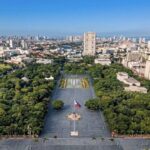
The National Museum complex occupies a cluster of stately buildings in Ermita, Manila, anchored by the neoclassical Old Legislative Building (now the National Museum of Fine Arts) facing Padre Burgos Avenue, and the Old Finance Building (National Museum of Anthropology) on the opposite side. Together with the newer National Museum of Natural History and the National Planetarium, these structures form a cultural citadel beside Rizal Park—one of the city’s most iconic public spaces.
The location is deeply symbolic. Rizal Park commemorates Dr. José Rizal, the national hero whose writings ignited the flame of reform and revolution. Placing the nation’s foremost museum here ties the story of Filipino creativity and heritage directly to the ideals of freedom and self-determination that Rizal championed.
Guardians of Filipino Artistic Genius
Inside the National Museum of Fine Arts, visitors encounter a sweeping chronicle of Philippine visual art from the 18th century to the present. The museum’s National Fine Arts Collection includes more than a thousand works—paintings, sculptures, icons, sketches, mixed media, and photographs—many by artists who shaped the country’s aesthetic identity.
Among the most celebrated pieces is Juan Luna’s Spoliarium, a monumental canvas that depicts fallen gladiators in a Roman arena yet resonates as an allegory of struggle and resilience. Equally powerful are the “Filipino Struggles Through History” murals by Carlos “Botong” Francisco, a 13-panel epic that traces the nation’s journey from pre-colonial life to modern aspirations. These works are not merely decorative; they are National Cultural Treasures, legally recognized for their outstanding historical and cultural significance.
The museum also preserves sculptures ranging from 18th-century religious pieces to modern installations, including Dr. Rizal’s own La Venganza de la Madre (The Mother’s Revenge), another declared National Cultural Treasure. Together, these galleries offer a visual education in how Filipinos have seen themselves—and how they have chosen to be seen by the world.
Chronicles of the Filipino People
Across the way, the National Museum of Anthropology (housed in the Old Finance Building) tells the deeper, older story of human life in the archipelago. Its collections span archaeology, ethnology, and maritime heritage, presenting artifacts that reveal how early Filipinos lived, traded, worshipped, and navigated the seas.
Visitors can trace the development of material culture through ancient pottery, tools, jewelry, and ritual objects. Ethnographic displays highlight the diversity of indigenous traditions across the islands, from weaving patterns to ceremonial regalia, underscoring the rich tapestry of cultures that make up the nation. For anyone seeking to understand the roots of Filipino identity beyond colonial narratives, this building provides an essential counterpoint—a reminder that history began long before foreign ships arrived.
Nature’s Own Museum
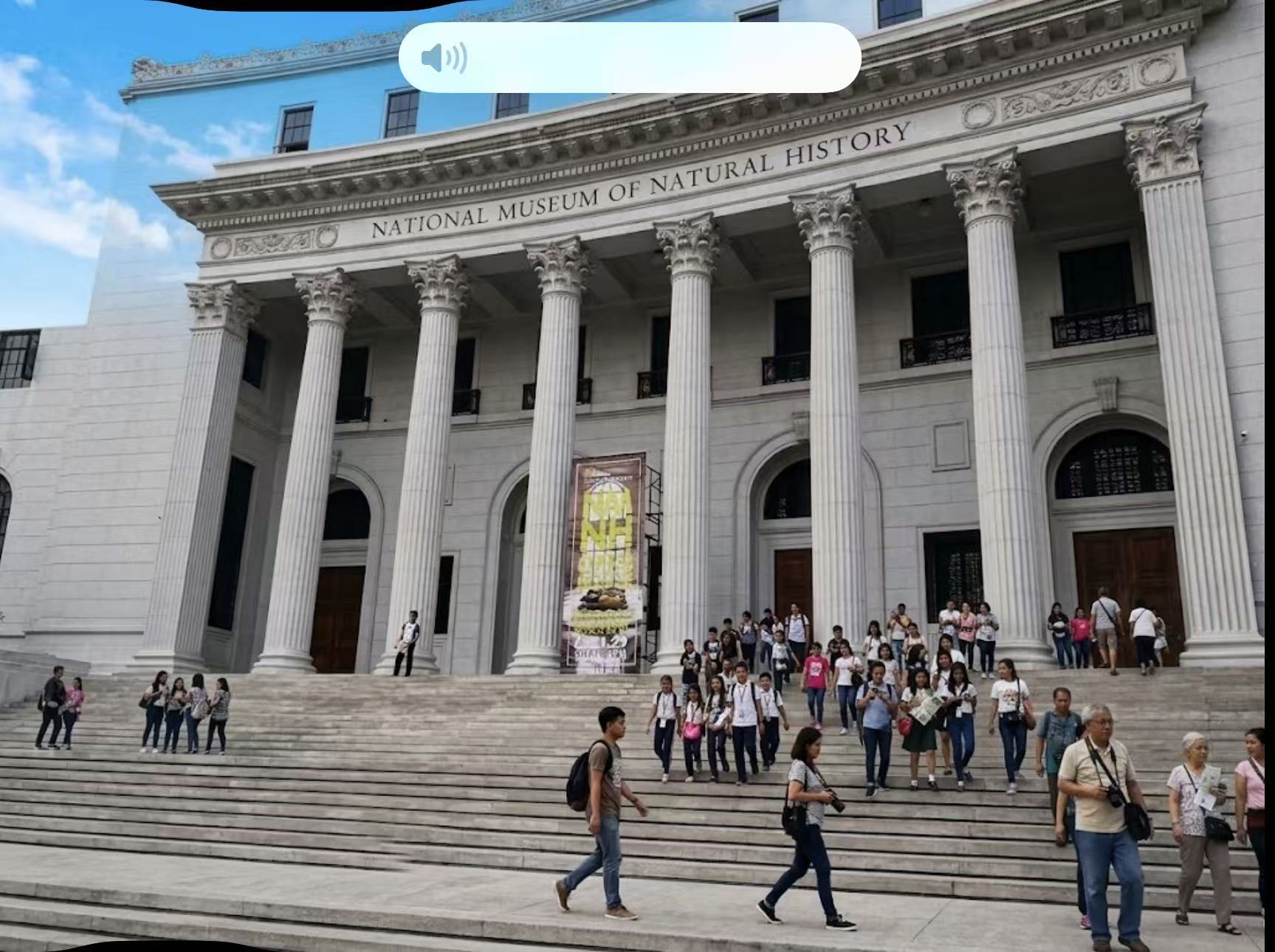
A short walk away stands the National Museum of Natural History, a modern addition that opened to the public in 2018. Housed in the former Department of Tourism building, it focuses on the Philippines’ extraordinary biodiversity and geological history.
Exhibits explore the country’s unique flora and fauna, marine ecosystems, and even prehistoric life, including fossilized remains that speak to the islands’ ancient past. The centerpiece is often the “Tree of Life,” a striking architectural and educational installation that symbolizes the interconnectedness of all living things. For families and students, this museum transforms scientific knowledge into an immersive experience, reinforcing the idea that natural heritage is as vital to national identity as art and artifacts.
A Sanctuary Open to All
One of the most remarkable aspects of the National Museum is its accessibility. Admission to all its branches is free for everyone—Filipinos and foreigners, adults and children alike. The complex is open from Tuesday to Sunday, typically from 9:00 AM to 6:00 PM, though visitors are advised to arrive at least 30 minutes before closing time.
Individual walk-in visitors are welcome, while groups of 20 or more are asked to book in advance through the museum’s online reservation system. This open-door policy reflects the institution’s mission as a public trust: to foster study, appreciation, and pride in the nation’s cultural and natural heritage.
Why It Matters
In a rapidly changing city—and world—the National Museum stands as a sanctuary of continuity. It preserves what might otherwise be forgotten: the brushwork of a 19th-century master, the craftsmanship of an ancient potter, the memory of a people’s struggles and triumphs. But it is not a static shrine. Through exhibitions, educational programs, and guided tours (available upon request), it invites new generations to engage with their heritage critically and creatively.
For locals, it is a place to reconnect with roots often obscured by the rush of daily life. For travelers, it offers a profound introduction to the soul of the Philippines—far beyond beaches and markets. And for everyone, it serves as a reminder that art and history are not luxuries; they are essential to understanding who we are and who we might become.
Planning Your Visit
- Location: P. Burgos Drive, Rizal Park, Ermita, Manila
- Nearest LRT: U.N. Avenue Station (LRT-1), a short walk away
- Hours: Tuesday–Sunday, 9:00 AM–6:00 PM (closed Mondays and selected religious holidays)
- Admission: Free for all visitors
- Group Visits: 20+ persons must book at least 3–5 working days in advance via the official website or email reservation@nationalmuseum.gov.ph
Whether you come for the masterpieces, the ancient artifacts, or simply a quiet moment of reflection beneath soaring ceilings, the National Museum offers more than a tour—it offers a homecoming. In its halls, art and history do not merely coexist; they converse, challenge, and inspire, making it truly a sanctuary for the Filipino spirit.