
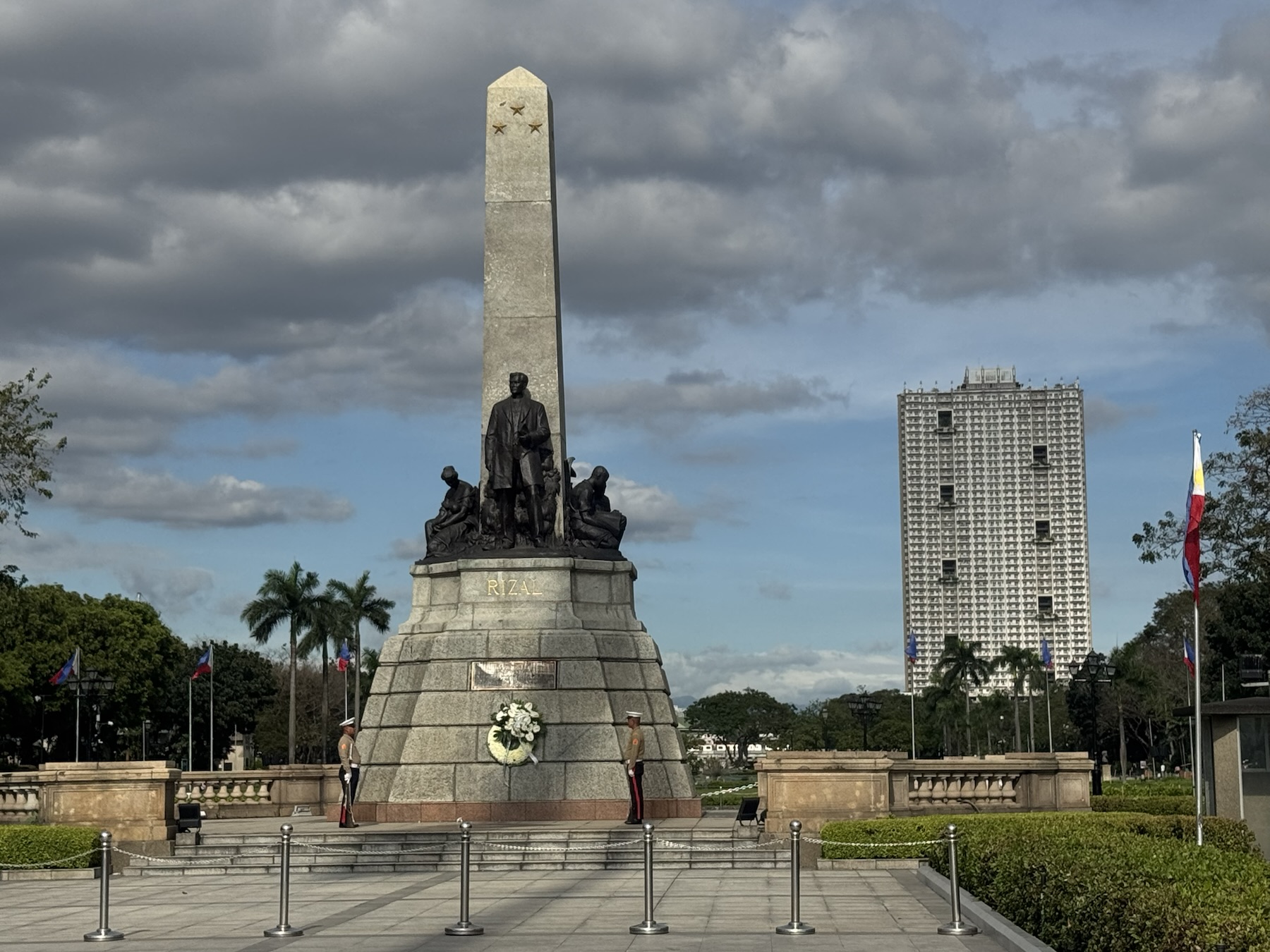
In the heart of Manila, two landmarks stand as twin pillars of Philippine history and identity — Rizal Park and the National Museum of the Philippines. For locals, they are proud reminders of the country’s journey toward freedom and cultural awakening. For travelers, they offer a window into the Filipino soul, bridging the past and the present through monuments, art, and memory.
Table of Contents
The Legacy of Rizal Park
Few places in the Philippines carry as much national significance as Rizal Park, or Luneta as it’s fondly called. Sprawling over 60 hectares of green space at the end of Roxas Boulevard, it is both a public park and an open-air museum of patriotism. The park was named after Dr. José Rizal, the country’s national hero, whose writings ignited the flames of the Philippine Revolution against Spanish rule.
At the heart of the park stands the Rizal Monument, an obelisk guarded day and night by honor guards. Beneath it lies the hero’s remains—placed there in 1912, sixteen years after his execution at Bagumbayan, a stone’s throw away from where the monument now stands. Every December 30, crowds gather here to mark Rizal Day, commemorating his martyrdom with flowers, music, and speeches that echo his dream of a nation governed by reason and justice.
A Place for Everyone
What makes Rizal Park unique is its ability to serve both as a national shrine and a community haven. On any given day, one can see families picnicking on its lawns, joggers making their morning rounds, and students rehearsing cultural dances. The park also hosts several thematic gardens—the Chinese Garden, Japanese Garden, and Orchidarium—each offering a peaceful retreat from the city’s bustle.
From sunrise to sunset, Rizal Park hums with activity. The dancing fountains light up beautifully at night, accompanied by music that turns the area into a festive spectacle. Street vendors sell taho, ice cream, and corn, completing the quintessential Manila park experience. The air often carries laughter, conversation, and the scent of damp grass after a passing shower—simple joys that connect generations.
The National Museum: A Sanctuary of Art and History
Just a few steps away from Rizal Park stands another cornerstone of Philippine heritage — the National Museum of the Philippines. It isn’t just a single building, but a complex that encompasses several institutions: the National Museum of Fine Arts, Natural History, Anthropology, and the National Planetarium.
The National Museum of Fine Arts, housed in a neoclassical building that once served as the old Congress, holds some of the most important works in Filipino art history. Front and center is Juan Luna’s “Spoliarium,” a massive and emotionally charged painting that depicts fallen gladiators being dragged from the arena. Luna painted it in 1884, and it became a metaphor for the suffering of Filipinos under colonial rule. Standing before its vast canvas, one can feel the nation’s pain, pride, and resilience embodied in color and form.
The National Museum of Anthropology dives deeper into the diverse cultural tapestry of the archipelago. Visitors can explore ancient tools, traditional clothing, and sacred artifacts from various indigenous groups—from the Ifugao rice terraces culture to the sea-oriented Sama-Bajau people. Each exhibit tells stories of identity, adaptation, and survival in the face of change.
Meanwhile, the National Museum of Natural History, with its grand central atrium crowned by a DNA-like architectural structure called the Tree of Life, showcases Philippine biodiversity. The exhibits celebrate the country’s endemic species and its rich ecosystems—from majestic eagles to vibrant coral reefs—reminding visitors of the precious natural heritage that must be protected.
A Walk Through History
Visiting Rizal Park and the National Museum complex is like walking through layers of the Philippines’ national narrative. The park captures the spirit of heroism and civic pride, while the museum preserves the intellectual and artistic pulse of the people. Together, they form an open classroom for anyone wanting to understand the Filipino identity beyond textbooks.
Nearby landmarks reinforce this connection. The Intramuros district, the old Spanish walled city, lies just across the road, offering cobblestone roads and historic churches like San Agustin. Meanwhile, the Manila Bay sunset—visible from the park’s western edge—paints the sky in hues of gold and purple, a natural masterpiece worthy of any gallery.
Tips for Visitors
• Best time to go: Early morning or late afternoon to enjoy cooler weather and fewer crowds.
• Admission: Rizal Park is free; the National Museum grants free admission to all visitors as part of its public education initiative.
• Getting there: Easily accessible via Roxas Boulevard or Taft Avenue. Many public transportation routes, including the LRT Line 1 (United Nations Avenue Station), stop nearby.
• What to bring: A hat, water bottle, and comfortable footwear. You’ll be doing quite a bit of walking!
• Do not miss: The evening fountain show at Rizal Park, Luna’s Spoliarium, and the Tree of Life atrium in the Natural History Museum.
More Than Landmarks
Beyond their beauty and cultural value, Rizal Park and the National Museum remind Filipinos of who they are and what they stand for. In their sculptures, gardens, and galleries reside the voices of generations that dreamed, created, and fought for freedom. To visit these places is not just to see Manila; it is to feel the heartbeat of the nation.
For anyone exploring the Philippines, a day spent wandering through Rizal Park and the National Museum of Manila offers more than history—it offers a deeper appreciation of what it means to be Filipino. Amid bustling streets and towering skylines, these spaces remain steady beacons of reflection, pride, and hope.