Hoan Kiem Lake, bustling core of Vietnam’s capital lies a district where time seems to fold in on itself. Here, the serene, legend-filled waters of Hoan Kiem Lake meet the chaotic, vibrant labyrinth of the Hanoi Old Quarter. More than just tourist attractions, these twin landmarks form the living, breathing soul of the city—a place where ancient myths echo down narrow streets, French colonial architecture stands beside traditional temples, and the daily rhythms of local life create an unforgettable symphony.
This is where Hanoi’s story is most palpable, offering a perfect blend of culture, history, and authentic urban energy.
The Legend of the Lake: A Sword Returned to a Golden Turtle
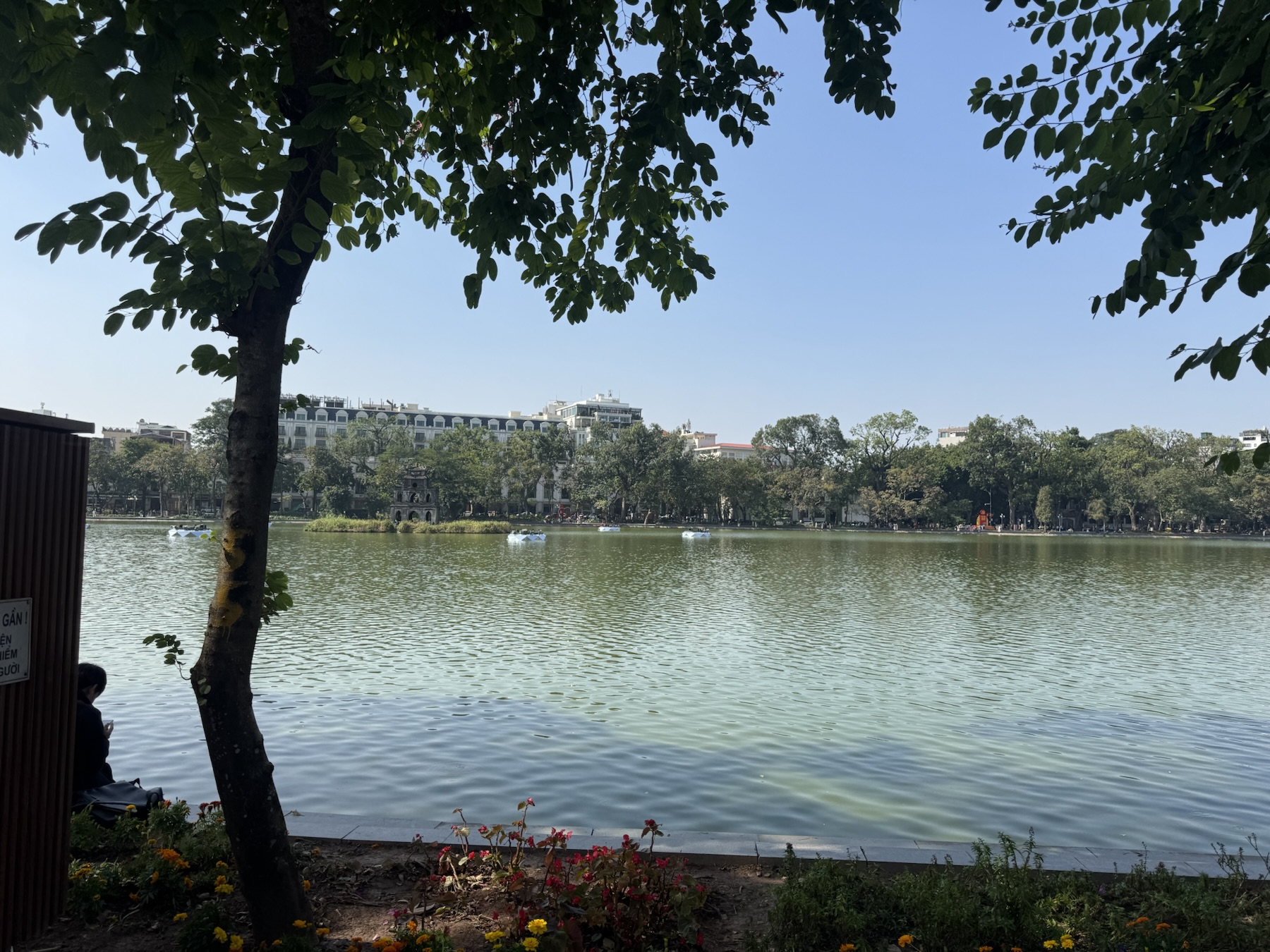
Hoan Kiem Lake, or “Lake of the Returned Sword,” is not just a scenic spot but the symbolic heart of Hanoi, with a story that defines Vietnamese resilience.
The legend dates back to the 15th century when Vietnam was under Ming Dynasty rule. A fisherman named Le Than miraculously pulled a shining blade from a lake in Thanh Hoa Province. The blade found its way to the revolutionary leader Le Loi. Later, while evading Ming forces, Le Loi discovered a sword hilt in a banyan tree that perfectly fit the blade, forming the magical sword Thuan Thien (According to Heaven’s Will). With this divine weapon, Le Loi’s strength was multiplied, leading his people to victory and driving out the invaders.
After the war, while Le Loi was boating on what was then called Luc Thuy (Green Water) Lake, a golden turtle god, Kim Qui, surfaced. In a human voice, it asked the emperor to return the sword to its divine owner, the Dragon King. Le Loi complied, and the turtle took the sword back into the depths. To commemorate this event, the lake was renamed Ho Hoan Kiem—the Lake of the Returned Sword. This powerful tale of fulfilling promises and divine intervention is central to the lake’s enduring cultural significance.
A Walk Around Hoan Kiem Lake: History in Every Step
Encircled by shaded walking paths, the lake is a tranquil oasis and a hub of daily life. The experience is best taken as the locals do: with a leisurely stroll, or “đi một vòng hồ”.
· Morning (6:00-8:00 AM): The lakeside awakens with joggers, groups practicing tai chi, and friends playing hacky-sack in the cool morning air.
· Daytime: Visit the iconic landmarks. The bright red Huc Bridge (Bridge of the Morning Sunlight) leads to Ngoc Son Temple (Temple of the Jade Mountain) on a small island, dedicated to General Tran Hung Dao. On another islet stands the Turtle Tower, built to honor the legendary golden turtle.
· Evening & Weekends: The area becomes a social magnet. Couples and families gather, and on weekends, the roads close to traffic, transforming into a vibrant pedestrian zone with performances and games. For a classic Hanoian experience, join the evening promenade with an ice cream cone from nearby Trang Tien Street.
Entering the Labyrinth: The Ancient “36 Streets” of the Old Quarter
A mere minute’s walk from the lake’s northern shore transports you into the dense, enthralling maze of the Hanoi Old Quarter. Its history began over a thousand years ago when craftsmen and merchants gathered near the Thang Long Imperial Citadel to serve the royal court. By the 13th-15th centuries, artisans of the same trade guilded together on specific streets, creating the famous “36 Streets” layout.
Each street was named for its specialized craft, a tradition still reflected in names today:
· Hang Bac (Silver Street): Originally home to silversmiths and money changers, now known for jewelry stores.
· Hang Ma (Paper Offerings Street): A riot of color, selling ceremonial paper goods, lanterns, and festival decorations.
· Hang Gai (Silk Street): Once known for silk and pink dye, now the place to find fine fabrics and tailor-made clothing.
Architectural Time Capsule: From Tube Houses to Gothic Spires
The Old Quarter’s unique streetscape is a testament to its layered history. The most distinctive feature is the “tube house.” These narrow buildings (some just 2-3 meters wide) stretch back up to 60 meters, with interior courtyards for light and air. This design originated from historical tax policies based on street frontage width.
As you explore, you’ll see how different eras left their mark:
· Traditional Vietnamese & Chinese: Seen in curved roofs, wooden pillars, and temples like Bach Ma Temple (the oldest in Hanoi, dating to the 11th century).
· French Colonial: Introduced balconies, shuttered windows, and grand structures like the neo-Gothic St. Joseph’s Cathedral (1886).
· Soviet Influence: Evident in communal apartment blocks along streets like Hang Dieu.
The Old Quarter After Dark: A Culinary and Cultural Feast
As the sun sets, the Old Quarter shifts gears. For many, exploration here is synonymous with eating, and the district is a paradise for food lovers.
Must-Try Dishes & Where to Find Them:
· Pho: The classic Vietnamese noodle soup, best enjoyed as a breakfast from a humble street-side stall.
· Bun Cha: Grilled pork patties and slices served with rice noodles, herbs, and a dipping sauce. Famously enjoyed by President Obama at Bun Cha Huong Lien.
· Banh Mi: The perfect French-Vietnamese fusion sandwich. Banh Mi 25 is a legendary spot, but don’t hesitate to try other stalls.
· Cha Ca La Vong: A unique Hanoi specialty of turmeric-marinated fish, grilled tableside with dill and peanuts.
· Egg Coffee (Ca Phe Trung): A rich, creamy Hanoi invention. For the authentic experience, head to the hidden Cafe Giang, where it was invented in the 1940s.
After dinner, the energy peaks. Ta Hien Street, nicknamed “Beer Street,” comes alive. Locals and tourists alike spill out onto tiny plastic stools, socializing over glasses of fresh, light Bia Hoi (draught beer) for less than a dollar. For a more relaxed end to the night, seek out a hidden massage parlor like Mido Spa for a rejuvenating traditional Vietnamese massage.
Planning Your Visit: Essential Tips for Travelers
To make the most of your time in this historic heart, a little planning goes a long way.
Best Times to Visit:
· Early Morning: Experience the calm, see locals exercising, and enjoy the best light for photography.
· Late Afternoon/Evening: Avoid the midday heat and soak up the vibrant night market and street food scene.
· Weekends: The area around Hoan Kiem Lake becomes a massive, lively pedestrian zone.
Getting Around:
· On Foot: The best way to explore. Let yourself get a little lost in the maze of streets.
· Cyclo (Pedicab): For a more leisurely, traditional tour of the main streets.
· Motorbike Taxi (Xe Om) or Ride-Hail (Grab): Useful for covering longer distances quickly.
What to Bring:
· Comfortable walking shoes are non-negotiable.
· Carry cash (VND) for small vendors, street food, and temples.
· Dress modestly for temple visits.
A Living Heritage
Hoan Kiem Lake and the Old Quarter are not frozen relics of the past. They are dynamic, living neighborhoods where history is not just preserved but continuously performed. It’s in the clang of a silversmith’s hammer on Hang Bac, the steam rising from a pho pot at dawn, the laughter shared over beer on a crowded corner, and the quiet reverence at a temple gate.
This is where the legendary past and the vibrant present of Hanoi meet. To wander these streets and lakeside paths is to walk through the very soul of Vietnam—a journey that promises wonder, flavor, and an enduring connection to a timeless city.
I hope this guide helps you discover the magic of Hanoi’s historic heart. If you’re curious about specific streets, festivals, or how to find the best-hidden coffee shops, feel free to ask