Table of Contents
1. The heart of Manila’s walled City
Fort Santiago stands as one of the Philippines’ most iconic historical landmarks, located in Intramuros, the heart of old Manila. Built near the mouth of the Pasig River, this fortress has witnessed centuries of colonial conflict, cultural transformation, and national awakening. Today, it serves as a quiet refuge for visitors seeking to connect with the country’s storied past. Beyond its weathered walls and cobblestones lies a symbol of Filipino resilience—a place where history breathes through every stone arch and iron gate.
The fort’s strategic position made it a site of political and military control during the Spanish, British, American, and Japanese occupations. Its long and layered history reflects not only battles fought but also the birth of Filipino nationalism. Whether one visits for its historical significance or serene gardens, Fort Santiago invites both reflection and discovery.
2. The Architectural Marvel of the Fortress
Fort Santiago’s architecture reflects the Spanish military style of the late 16th century, blending European design with local materials. Initially built from wood by Spanish conquistador Miguel López de Legazpi in 1571, it was later reconstructed using volcanic tuff, or adobe, after being destroyed by Chinese pirate Limahong’s forces. The new stone fortress featured thick ramparts, a towering gate, and bastions overlooking the river and bay.
The main entrance, adorned with the symbol of Spain’s patron saint, Santiago Matamoros (St. James the Moor-slayer), remains one of the most photographed parts of the fort. Inside, narrow pathways, dungeons, and secret chambers tell stories of imprisonment and resistance. Despite multiple reconstructions after earthquakes and wars, the fort’s design retains its original character—sturdy, solemn, and timeless.
3. The Spanish Era: A Fortress of Power
During the Spanish colonial period, Fort Santiago served as the epicenter of political and military control in Manila. As part of the greater walled city of Intramuros, it acted both as defense against foreign invaders and as a seat of Spanish authority. The fort’s thick walls and strategic location allowed Spain to secure its dominance over trade routes and local governance.
It also played a darker role as a prison and interrogation site for those resisting colonial rule. Many Filipino revolutionaries, including priests and reformists, were detained within its walls. Spanish garrisons used Fort Santiago to maintain order and suppress uprisings, making it both a symbol of Spain’s might and a place of suffering for countless Filipinos under colonial rule. Its dual identity—as both a guardian and a dungeon—adds depth to its historical legacy.
4. José Rizal’s Final Days in Fort Santiago
No story of Fort Santiago is complete without honoring Dr. José Rizal, the Philippines’ national hero. Arrested for sedition and rebellion, Rizal was imprisoned in the fort’s barracks in December 1896. During his stay, he wrote the poem “Mi Último Adiós” (My Last Farewell), bidding farewell to his loved ones and his country—a masterpiece of patriotism and sacrifice.
Rizal’s footsteps, preserved in bronze from his cell to the execution site in Bagumbayan (now Luneta Park), form one of the most poignant landmarks in the fort. His cell has been reconstructed as a small shrine, containing personal artifacts and replicas of his writings. The Rizal Shrine Museum offers insight into his ideals and the independence movement he inspired. For many visitors, this part of Fort Santiago is solemn ground—a reminder of the price of freedom and the enduring power of words.
5. Fort Santiago Under American and Japanese Occupation
After Spain ceded the Philippines to the United States in 1898, Fort Santiago transitioned into a military headquarters for American troops. While the U.S. period brought modernization and partial restoration, the fortress retained its purpose as a defense site. The Americans preserved parts of its structure, seeing its strategic value in guarding Manila Bay and the Pasig River.
World War II, however, marked Fort Santiago’s darkest chapter. During the Japanese occupation, the fort became a prison and torture chamber for captured Filipino resistance fighters and civilians. Hundreds were executed or perished in its dungeons from starvation and confinement. When Manila was liberated in 1945, mass graves were discovered within its grounds. These wartime scars remain embedded in the bricks, serving as a powerful memorial to those who suffered during one of the nation’s most painful eras.
6. Post-War Reconstruction and Preservation
The aftermath of World War II left Intramuros in ruins, and Fort Santiago was no exception. Restoration efforts began shortly after the war, driven by both government initiatives and Filipino historians dedicated to preserving national heritage. In 1951, Fort Santiago was declared a national historical monument, ensuring its protection under law. The Intramuros Administration, founded in 1979, further promoted its conservation and adaptive reuse.
Modern restoration focused on maintaining authenticity while improving accessibility for tourists. Today, visitors can explore the fort’s dungeons, plazas, and walkways, which have been carefully maintained to evoke their original atmosphere. Interpretive signs, museums, and guided tours connect people to the historical events that shaped the Philippines. The preservation of Fort Santiago symbolizes the country’s commitment to remembering its past while embracing modernization—a delicate balance of history and progress.
7. Fort Santiago as a Cultural and Educational Destination
Today, Fort Santiago is more than a tourist landmark—it’s a thriving cultural hub and educational site. Students, artists, and historians flock to its grounds to study Philippine history and architecture firsthand. School excursions, heritage walks, and theatrical performances often take place here, transforming the centuries-old fort into a living classroom.
The museum spaces within the fort present curated exhibitions of Spanish colonization, Rizal’s life, and wartime Manila. A stroll across Plaza Moriones or along the river bastion opens up views of green courtyards and sculpted gardens, blending learning with reflection. Audio guides and virtual tours enhance the visitor experience, while cultural festivals occasionally revive the fort’s storied past. In this way, Fort Santiago functions not only as a memorial but as a bridge connecting generations through shared memory.
8. Experiencing Fort Santiago Today
Walking through Fort Santiago today feels like stepping into a historical tapestry. The cobblestone paths, moss-covered walls, and echoing chambers bring the past vividly to life. Visitors can trace Rizal’s final walk, peer into the eerie dungeons, or simply rest by the shaded fountains surrounded by colonial-era architecture. The views of the Pasig River and Manila skyline form a striking contrast between old and new.
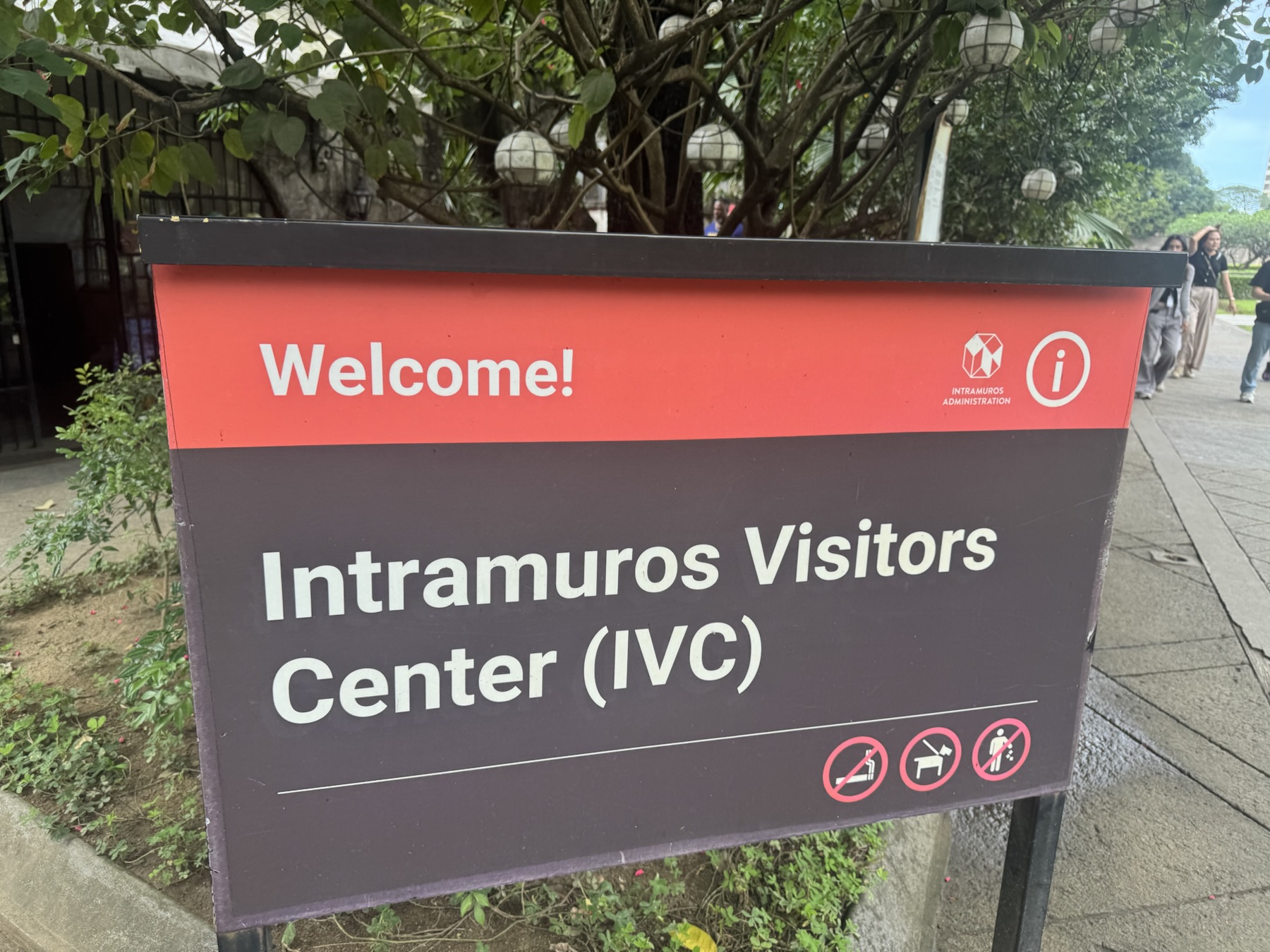
The site also hosts cultural performances, evening light shows, and annual events like Dia de Rizal (Rizal Day) in December. Fort Santiago is open daily to the public, with well-curated facilities including a visitor center and souvenir shops. For locals and tourists alike, it offers not only a window into the past but also a place of peace in the midst of Manila’s bustle. Every corner echoes a story—of courage, loss, hope, and renewal—that continues to inspire Filipinos and visitors from around the world.