The eastern shores of West Lake in Hanoi, Tran Quoc Pagoda stands as a beacon of Vietnam’s rich Buddhist heritage. As the oldest pagoda in the city, with roots stretching back over 1,500 years, it offers visitors a profound sense of peace amid the bustling capital. This ancient temple, once a center of royal patronage and spiritual learning, continues to draw people seeking reflection, history, and cultural depth. Whether you’re a history enthusiast, a spiritual seeker, or simply a traveler exploring Hanoi, Tran Quoc Pagoda provides an unforgettable glimpse into Vietnam’s enduring soul.
A Journey Through Time: The History of Tran Quoc Pagoda
The story of Tran Quoc Pagoda begins in the 6th century, during the reign of Emperor Ly Nam De (544-548 AD), who founded it as Khai Quoc Pagoda, meaning “National Founding.” Originally built on the banks of the Red River, it served as a symbol of the newly established Vietnamese state. Over the centuries, river erosion threatened its existence, leading to its relocation in the 17th century to a small islet on West Lake, where it was renamed Tran Quoc, translating to “Stabilizing the Nation” or “National Defense.”
During the Ly and Tran Dynasties (11th-14th centuries), the pagoda flourished as the Buddhist center of Thang Long (ancient Hanoi). It attracted prominent monks and became a hub for teaching and royal visits. Kings often came here during festivals, seeking blessings and solace. Renovations occurred multiple times, including major rebuilds in the 15th and 19th centuries, preserving its essence while adapting to changing times. In 1989, it was recognized as a National Historical and Cultural Relic, cementing its status as a vital part of Vietnam’s heritage.
Legends add a mystical layer to its history. One tale speaks of turtles emerging from West Lake, seen as an auspicious sign for its relocation, symbolizing prosperity and protection. Through wars, floods, and modernization, Tran Quoc has endured, embodying resilience much like the Vietnamese spirit.
Architectural Marvels: Design and Key Structures
Tran Quoc Pagoda exemplifies traditional Vietnamese Buddhist architecture, blending harmony with nature. Its layout follows classic principles: three main sections progressing from the outer to the inner sanctum, guiding visitors toward enlightenment.
The most striking feature is the 11-tiered stupa, known as Bao Thap, towering elegantly with red bricks and intricate details. Each level has six arched doorways housing precious gemstone statues of Amitabha Buddha, radiating serenity. The pagoda complex includes the Front House (Tien Duong) for gatherings, the Incense Burning House (Nha Thieu Huong) where rituals take place, and the Upper House with altars and historical steles.
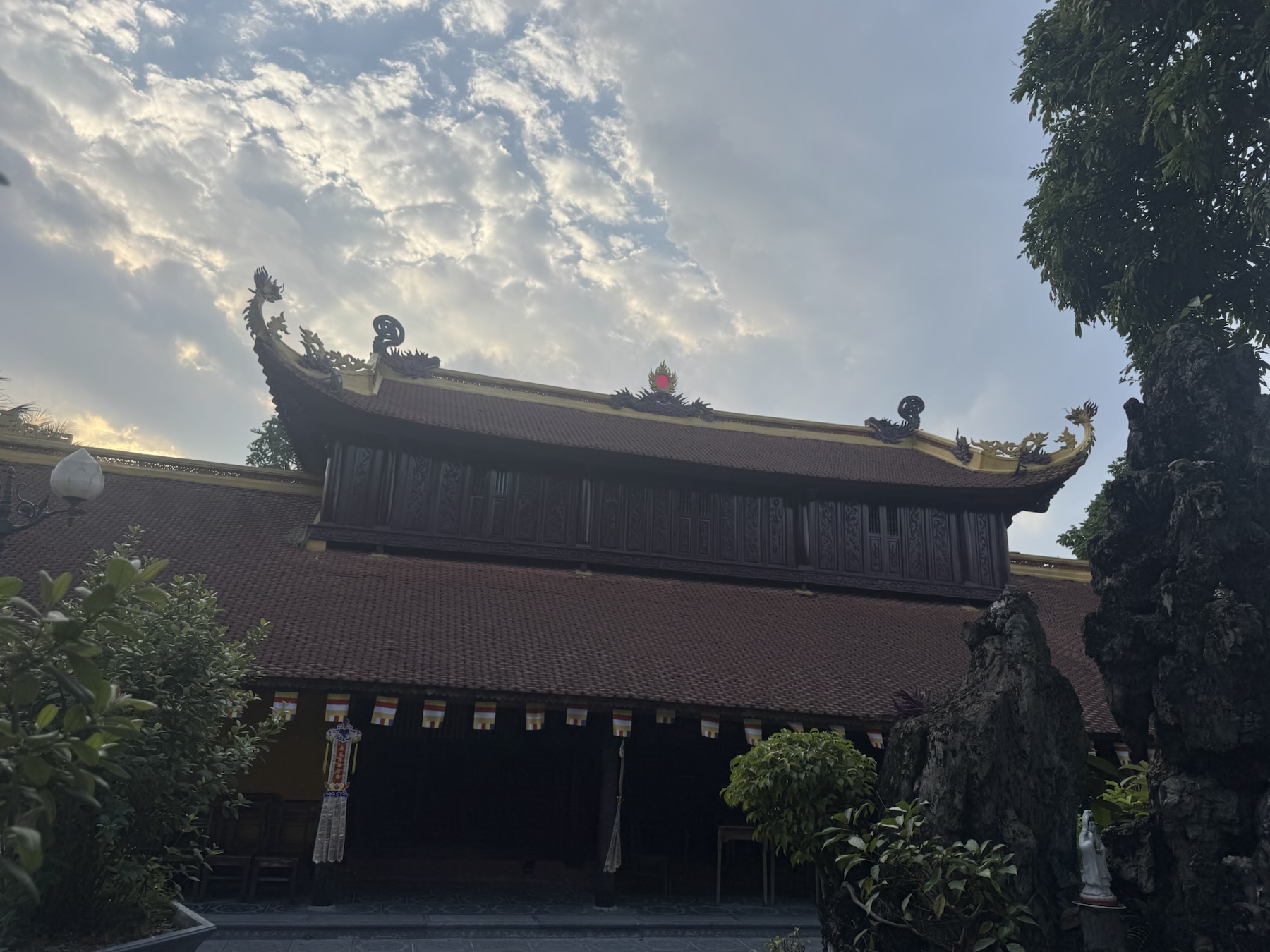
Curved roofs, wooden carvings, and lotus motifs dominate, symbolizing purity and rebirth in Buddhism. The grounds feature a stele house with 14 engraved stones recounting the pagoda’s past, and corridors lined with ancient statues dating back to the 17th century. The overall design creates a balanced, majestic yet understated beauty, perfectly complementing the watery surroundings.
Spiritual Heart: Religious Significance and Symbols
As a living Buddhist temple, Tran Quoc holds deep religious importance. It primarily worships Shakyamuni Buddha, Amitabha Buddha, and Avalokitesvara Bodhisattva, with additional altars honoring historical figures. Monks reside here, maintaining daily prayers and teachings, preserving centuries-old traditions.
A standout symbol is the Bodhi tree on the grounds, grown from a cutting of the original tree in Bodh Gaya, India, where Buddha attained enlightenment. Gifted in 1959 by India’s president during a diplomatic visit, it represents wisdom and compassion. Lotus flowers abound in sculptures, signifying purity rising from muddy waters—a core Buddhist metaphor.
The pagoda has long been a place for meditation, prayer, and festivals. Locals visit on full moon days and lunar new year for incense offerings and wishes. Its role as a former Buddhist capital underscores its influence on Vietnamese spirituality, blending Theravada and Mahayana elements unique to the region.
Notable Features: Statues, Gardens, and Hidden Gems
Beyond the main structures, Tran Quoc captivates with its details. Over 20 valuable statues, some from the 18th-19th centuries, depict Buddhas and bodhisattvas in gilded wood, exuding craftsmanship and devotion. The garden areas, shaded by ancient trees, offer quiet spots for contemplation.
The Bodhi tree, with its sprawling branches, is a focal point for many, evoking connections to global Buddhism. Stele inscriptions provide fascinating historical insights, including poems and records of renovations. Small shrines dot the grounds, where visitors light incense, creating a fragrant, meditative atmosphere. These elements combine to make every corner feel sacred and inviting.
Visitor Guide: Practical Tips for Your Visit
Planning a trip to Tran Quoc Pagoda is straightforward and rewarding. It’s open daily from around 7:30 AM to 5:30 PM, with possible variations during holidays—check locally if visiting during Tet. Entry is free, though donations support maintenance.
Located on Thanh Nien Road in Tay Ho District, it’s about 4-5 km from Hanoi’s Old Quarter. Taxis or ride-hailing apps like Grab are convenient (15-20 minutes). Buses 33 or 50 stop nearby, or rent a bicycle/motorbike for a scenic ride. Parking is available, but arrive early on weekends.
Spend 30-60 minutes exploring; longer if joining prayers. Dress modestly—cover shoulders and knees, remove shoes in inner areas. Be respectful: speak softly, avoid photography during rituals.
Best Times to Visit and Etiquette
For tranquility, go early morning or late afternoon, when cooler temperatures and softer light enhance the serenity. Sunrise or sunset views over West Lake are magical, with the pagoda’s silhouette reflecting on the water.
Avoid midday heat in summer. Festivals like Buddha’s Birthday or Tet bring vibrant crowds and decorations, offering cultural immersion but less peace. Weekdays are quieter than weekends.
Etiquette is key: no loud noises, follow monks’ lead in rituals, and refrain from touching statues. Burning incense is common—ask for guidance if new to it. These practices ensure a harmonious experience for all.
Tran Quoc Today: Legacy in Modern Hanoi
In contemporary Hanoi, Tran Quoc Pagoda remains a vital spiritual and cultural landmark. Amid skyscrapers and traffic, it offers an oasis of calm, attracting locals for daily worship and tourists for its history. Recognized globally for its beauty, it symbolizes Hanoi’s blend of ancient tradition and modern life.
Efforts continue to preserve it, with recent restorations maintaining its authenticity. As a bridge between past and present, it reminds visitors of Buddhism’s enduring role in Vietnamese identity—promoting peace, compassion, and resilience.
Tran Quoc Pagoda is more than a historical site; it’s a living testament to Vietnam’s spiritual depth. A visit here leaves you refreshed, inspired, and connected to something timeless. In the heart of Hanoi, this ancient gem continues to stabilize the nation, one peaceful moment at a time.