
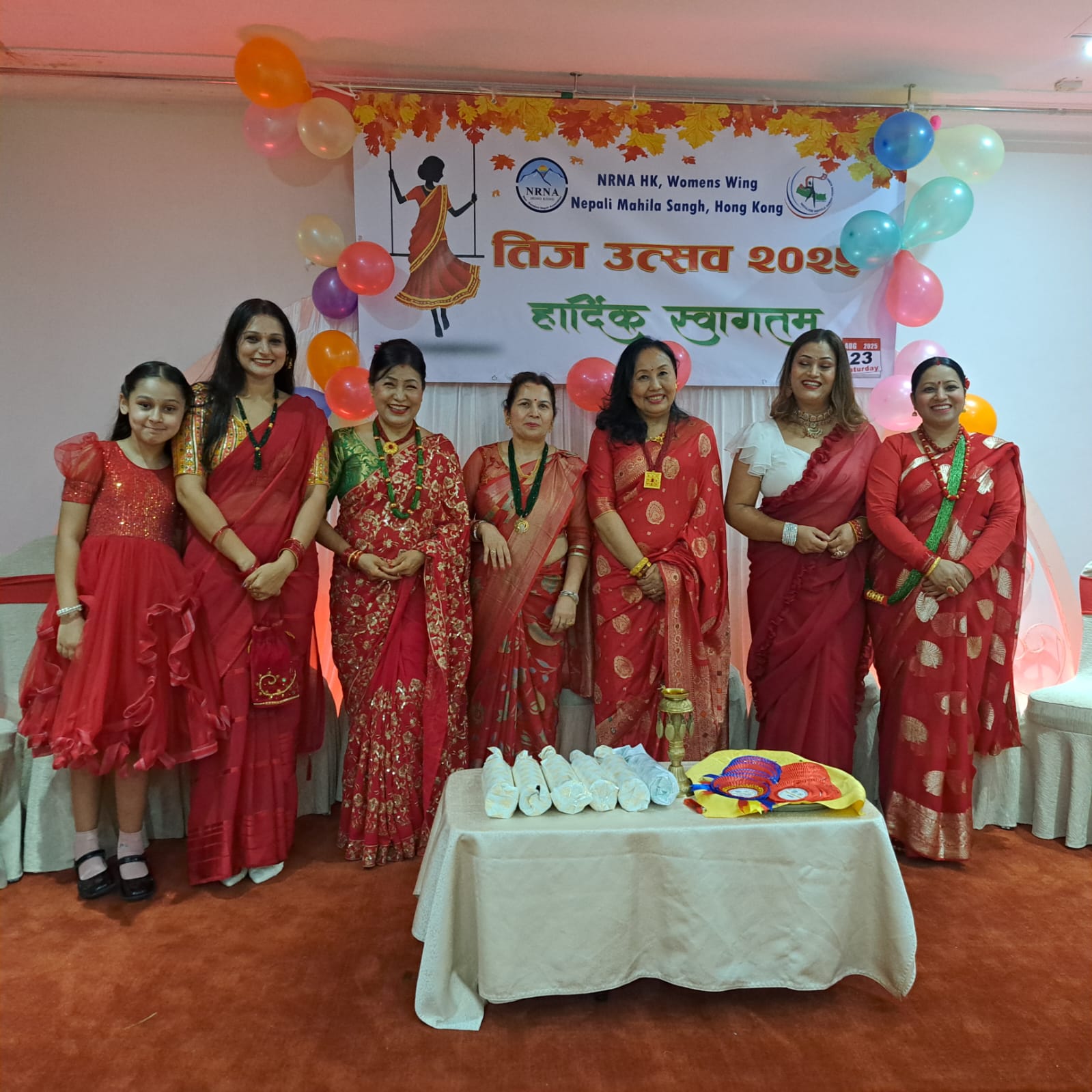
Teej Festival is a grand celebration deeply rooted in, observed with great enthusiasm every year by women across Nepal.This festival honors the divine union of Shiva and Parvati and celebrates womanhood, marital bliss, and devotion. In this comprehensive blog, we will explore the many facets of the Nepali Teej Festival, including its rituals, cultural significance, traditional attire, special foods, and joyous celebrations planned for Teej Festival 2024. Whether you are a participant or a curious traveler, this guide will immerse you in the vibrant world of Teej.
Table of Contents
The Essence of Nepali Teej Festival: A Women’s Festival Like No Other
At its heart, Teej is a women-centric festival symbolizing love, devotion, and community bonding. Often referred to as a Women’s Festival, it provides an opportunity for women to unite, celebrate, and pray for the welfare of their families and marital harmony.
The mythological foundation of Teej is steeped in the story of Goddess Parvati’s intense penance and fasting to win the heart of Lord Shiva. Thus, the festival honors the divine couple Shiva and Parvati, symbolizing marital fidelity, strength, and compassion. In this 2025 Teej festival, my family, Kalpana, is also participating in many events
When is Teej Festival 2025? Important Dates and Observances
The Teej Festival typically falls in the month of August or September, coinciding with the lunar calendar. In 2025, the main Teej fasting day is expected to fall on August 26 (Tuesday), with celebrations spanning a few days.
The festival includes significant days such as:
- Panchami Puja: The day when women perform rituals inviting their daughters (Invite Cheli Beti) and other relatives for blessings.
- Hartalika Teej: The main fasting and celebration day.
- Dar Khane: The feast day after the fasting period, when women break their fast.
Teej Rituals and Traditional Practices
Fasting in Teej: The Spiritual 24 Hour Fast
A key observance during Teej is the 24 Hour Fast where women abstain from eating and drinking to honor Goddess Parvati. This fasting is seen as a powerful spiritual tribute, symbolizing strength and dedication.
The fast is broken the next day with a grand Dar Lunch or Teej Feast, which includes an array of delicious Teej Special Food.
Panchami Puja and Puja Samagri for Teej
Prior to the fast, women gather to perform Panchami Puja, preparing Puja Samagri for Teej — sacred items required for the rituals, such as flowers, red tika, sindoor (vermillion), fruits, oil lamps, incense sticks, and holy water.
Dar Khane and Teej Feast
The meal called Dar Khane is both a communal and familial event where women feast together, exchanging laughter and stories, celebrating the end of fasting with traditional dishes like gundruk, sel roti, vegetable curries, and sweet treats.
The Colors and Fashion of Teej: Rato Sari, Jewelry, and More
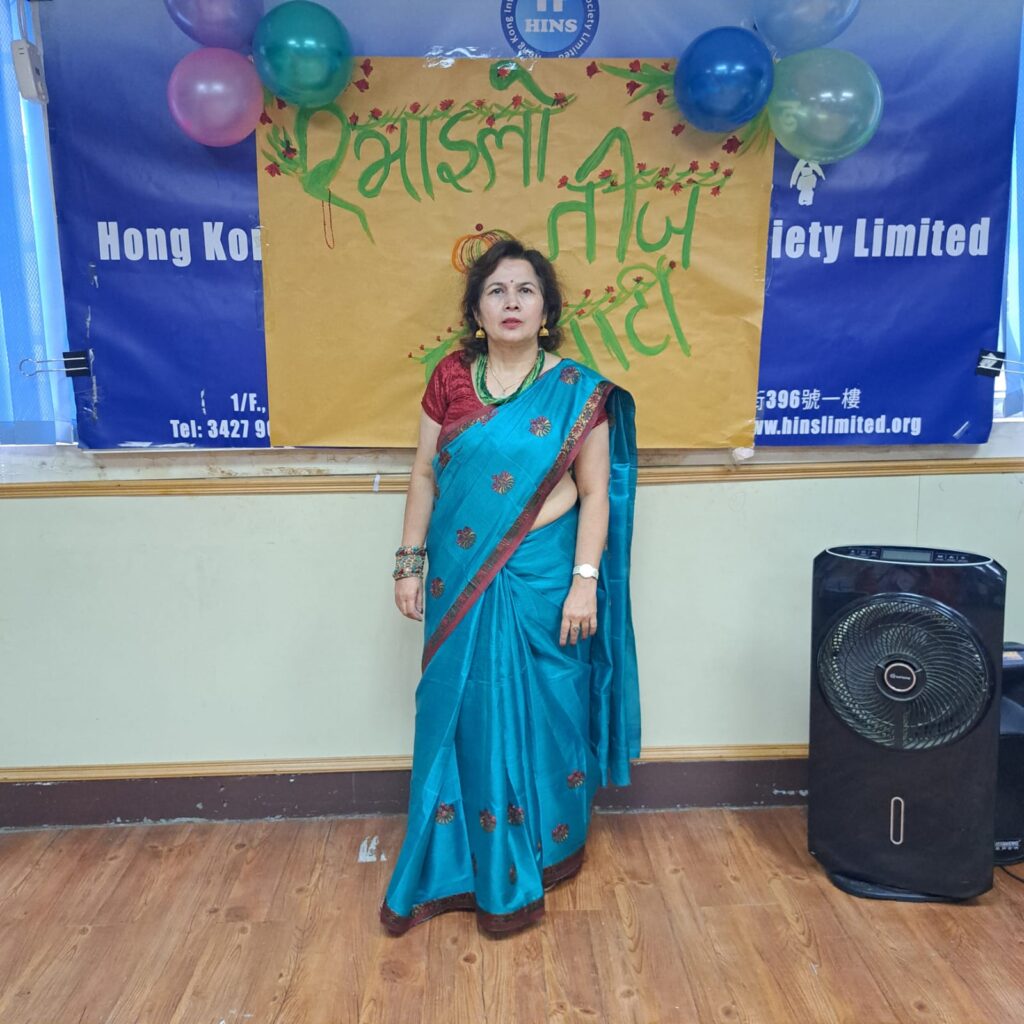
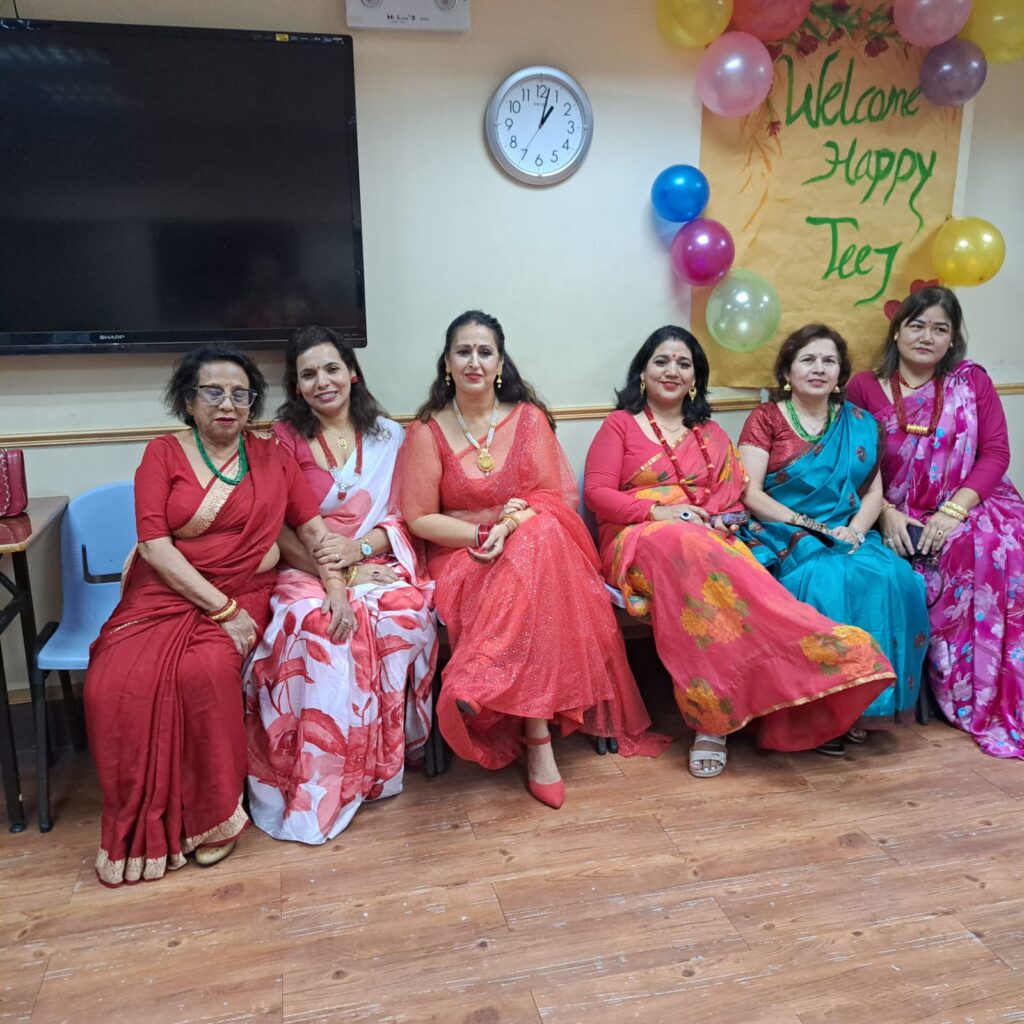
No Teej celebration is complete without the striking Teej Dress and accessories. The most recognizable attire is the Rato Sari (red sari), symbolizing marital bliss, prosperity, and auspiciousness. Women adorn themselves in bright red bridal saris often embroidered with gold thread.
Along with the sari, Teej Jewelry plays a significant role — including gold ornaments like necklaces, bangles, earrings, and mangalsutras.
Teej Mehndi: Temporary Art of Tradition
Applying henna on hands and feet — known as Teej Mehndi — is another vibrant tradition. Intricate mehndi designs symbolize beauty and good fortune during the festivities.
Singing, Dancing, and Joyous Celebrations: The Soul of Teej
Teej Songs and Teej Bhajan
The festival resonates with the melodious voices of women singing Teej Songs and devotional Teej Bhajan dedicated to Lord Shiva and Goddess Parvati. These songs narrate mythological tales, convey blessings, and embrace the spirit of togetherness.
Teej Dance and Cultural Programs
In many communities, traditional Teej Dance performances add to the lively atmosphere, often featured in large-scale Teej Cultural Programs organized in Kathmandu and across Nepal. Women dance in circles, clapping rhythmically and celebrating the festival’s joy and piety.
Teej Swari: The Traditional Ride and Procession
In some regions, women participate in a ceremonial procession known as Teej Swari, where they travel to temples or sacred sites for rituals, often dressed to the nines.
Teej Decorations and Festive Ambiance
Homes and public spaces are beautifully decked out with Teej Decoration to enhance the festive spirit. Red drapes, marigold flowers, rangoli designs, and traditional lamps create a warm and auspicious environment.
Markets and fairs, such as the popular Teej Fair in Kathmandu, abound with stalls selling festive foods, clothing, jewelry, and ritual items, enlivening the community.
Symbolism and Spirituality: Sindoor and the Invitation to Cheli Beti
One of the most symbolic elements of Teej is the application of Sindoor (vermillion) on the forehead and hair part, symbolizing marital status and blessings. Married women especially showcase their married status proudly during Teej.
Another touching tradition is to Invite Cheli Beti — daughters, nieces, or close girls — to participate in Teej celebrations, fostering familial love and connecting generations in shared customs.
Experiencing Teej in Kathmandu and Beyond
Teej celebrations in Kathmandu are grand affairs, with temples like Pashupatinath and others drawing countless devotees. The city’s streets fill with women clad in red saris, singing, dancing, and joining cultural programs.
Other parts of Nepal also celebrate with unique local variations but maintain the core elements of devotion and celebration.
Extending Greetings and Wishes: The Spirit of Teej
During the festival, it is customary to exchange Teej Greetings and Teej Wishes with friends and family. Common phrases include wishes for marital bliss, health, and happiness.
In today’s connected world, these greetings spread via cards, messages, and social media, reinforcing collective joy and cultural pride.
Conclusion: Embracing the Nepali Teej Festival
Teej Festival is not just a day of fasting or a religious ritual. It is a vivid celebration of womanhood, spirituality, and community. From the devotional Teej Bhajan to the colorful Teej Dress, from sacred fasting to the lively Teej Dance, every element paints a picture of a rich and enduring tradition.
As the Teej Festival 2025 approaches, women and families across Nepal and beyond prepare to embrace the spirit of Teej—honoring Lord Shiva and Goddess Parvati, celebrating love, strength, and unity.
Whether you join a Teej Cultural Program , attend a Teej party, or join the Dar Khane feast with family, the spirit of Teej offers a timeless invitation to celebrate life and devotion in the warmest, most colorful way imaginable.