
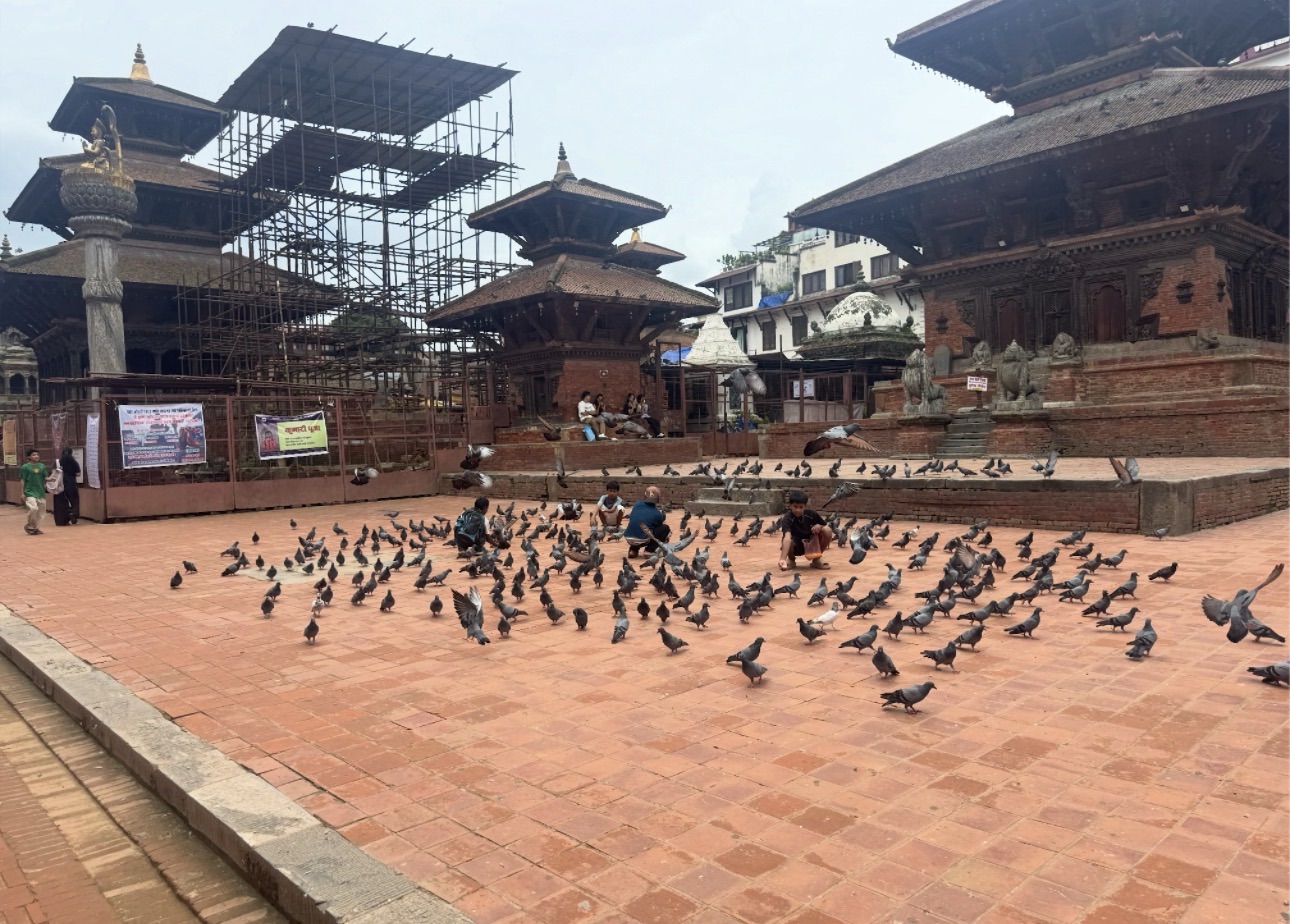
Kathmandu Valley is a home of sacred rhythms—where devotion continues in streets, courtyards, and temple halls. Among the many places of worship, Krishna Mandirs stand out for the way they bring together spirituality, culture, and architecture. Visiting these mandirs is more than sightseeing; it’s a chance to feel how faith is expressed through daily rituals, community worship, and meaningful design.
This journey takes us through four Krishna Mandirs around Kathmandu—each with its own character, spiritual atmosphere, and architectural presence.
Table of Contents
1) Krishna Mandir Kapan: Quiet Devotion in a Peaceful Setting
Krishna Mandir Kapan invites visitors to slow down. The experience feels calm and welcoming, as though the temple itself encourages inner reflection. Many devotees come here for daily worship, and the atmosphere often reflects that steady devotion—simple, sincere, and deeply grounded in tradition.
Architecturally, mandirs like these often follow the traditional style found across the Kathmandu Valley: a sacred space organized for worship, with details that foster reverence. Whether you notice the structure from outside or step into the temple area, the design supports a spiritual flow—bringing attention toward Krishna and the heart of the rituals performed inside.
2) Krishna Mandir Gothatar: Faith, Community, and Living Tradition
Krishna Mandir Gothatar is especially known for the way spirituality and community life come together. Unlike places that feel distant, this mandir often feels “alive”—supported by regular visitors, local devotees, and a shared spiritual energy that strengthens the mandir’s role in everyday life.
The temple’s architecture—like many traditional mandirs in the valley—helps shape the worship experience. Sacred layout, devotional details, and the way people gather within the temple space all contribute to a sense of participation. You don’t just observe faith here—you feel it moving through people, prayers, and ongoing tradition.
3) Krishna Mandir Hadigaun: Heritage Worship with a Deep Spiritual Mood
Krishna Mandir Hadigaun carries a heritage feeling—one that reminds visitors that faith in Kathmandu is woven into generations. For many travelers and pilgrims, visiting a mandir like this feels meaningful because it feels established—like part of the cultural memory of the area.
The architecture and atmosphere combine to create a respectful spiritual mood. Temple spaces in the valley are often designed to support rituals and gatherings in a way that encourages focus and reverence. In Hadigaun, the temple experience often feels contemplative, making it a great stop for reflection, gratitude, and devotion.
4) Krishna Mandir Lalitpur: Beauty, Craftsmanship, and Timeless Devotion
Krishna Mandir Lalitpur reflects the artistic spirit of Lalitpur itself. This region is well known for cultural richness and craftsmanship, and Krishna Mandirs here often feel visually inspiring while remaining deeply devotional.
When you explore such a temple, it’s easy to see how architecture communicates meaning. Details and sacred design elements work together to create a space that feels both beautiful and purposeful. Lalitpur’s Krishna Mandir experience can feel like a blend of spirituality and aesthetics—where devotional art is not just decoration, but a way of honoring Krishna’s presence.
Why This Journey Matters
Each mandir—Kapan, Gothatar, Hadigaun, and Lalitpur—offers a different flavor of devotion:
- Kapan brings calm and reflection
- Gothatar offers community warmth and living tradition
- Hadigaun feels heritage-rich and spiritually grounded
- Lalitpur inspires through beauty, craftsmanship, and sacred design
Together, they form a spiritual and architectural journey across Kathmandu Valley—reminding visitors that temples are not only buildings, but living spaces of faith.
In summary:
If you’re planning a Krishna Mandir route around Kathmandu, consider approaching it like a journey of the heart. Spend time not just looking at architecture, but also noticing the atmosphere—devotees’ expressions, the rhythm of prayer, and the way the mandir’s design shapes worship.
Would you like me to rewrite this blog in a more travel-guide style (with a suggested route and “best time to visit” notes) or in a more religious devotion style (more focus on bhajans, prayers, and spiritual reflections)?