Dynamic, buzzing streets of modern Hanoi lies an oasis of profound tranquility and ancient wisdom: the Temple of Literature, or Văn Miếu – Quốc Tử Giám. More than just a picturesque stop on a tourist itinerary, this revered site is the soul of Vietnamese education and a timeless symbol of the nation’s respect for knowledge. For any traveler seeking to understand Vietnam’s cultural bedrock, a visit here is not just recommended—it’s essential. So, is Temple of Literature worth visiting? Unreservedly, yes. This blog will be your comprehensive guide, exploring its deep history, magnificent architecture, and practical tips for your visit.
A Sanctuary for Knowledge: History and Facts about Van Mieu Quoc Tu Giam
Founded in 1070 by Emperor Lý Thánh Tông, the Temple of Literature was initially dedicated to Confucius (Văn Miếu means “Temple of Literature”). Its purpose was to honor scholars and sages, with Confucian influence in Temple of Literature serving as the core philosophy of the state. In 1076, Emperor Lý Nhân Tông established the Imperial Academy (Quốc Tử Giám) within its grounds, cementing its status as Vietnam’s first national university. For over seven centuries, this institution nurtured the minds of Vietnam’s elite, operating through the Ly, Tran, Le, and Nguyen dynasties.
The Vietnamese imperial examination system history is central to the temple’s story. These grueling, multi-day exams, modeled on the Chinese system, were the sole path for talented commoners to ascend to mandarin status and serve the court. Success meant glory for one’s entire family and village. The temple grounds thus became the hallowed ground where scholarly dreams were realized, shaping the nation’s administrative and intellectual class.
Architectural Harmony: Exploring the Five Courtyards
The architecture of Temple of Literature Hanoi is a sublime example of traditional Vietnamese design, meticulously planned along a north-south axis. The complex is divided into five distinct walled courtyards, each with its own character and purpose, offering a gradual journey from the mundane world into the realm of sacred knowledge.
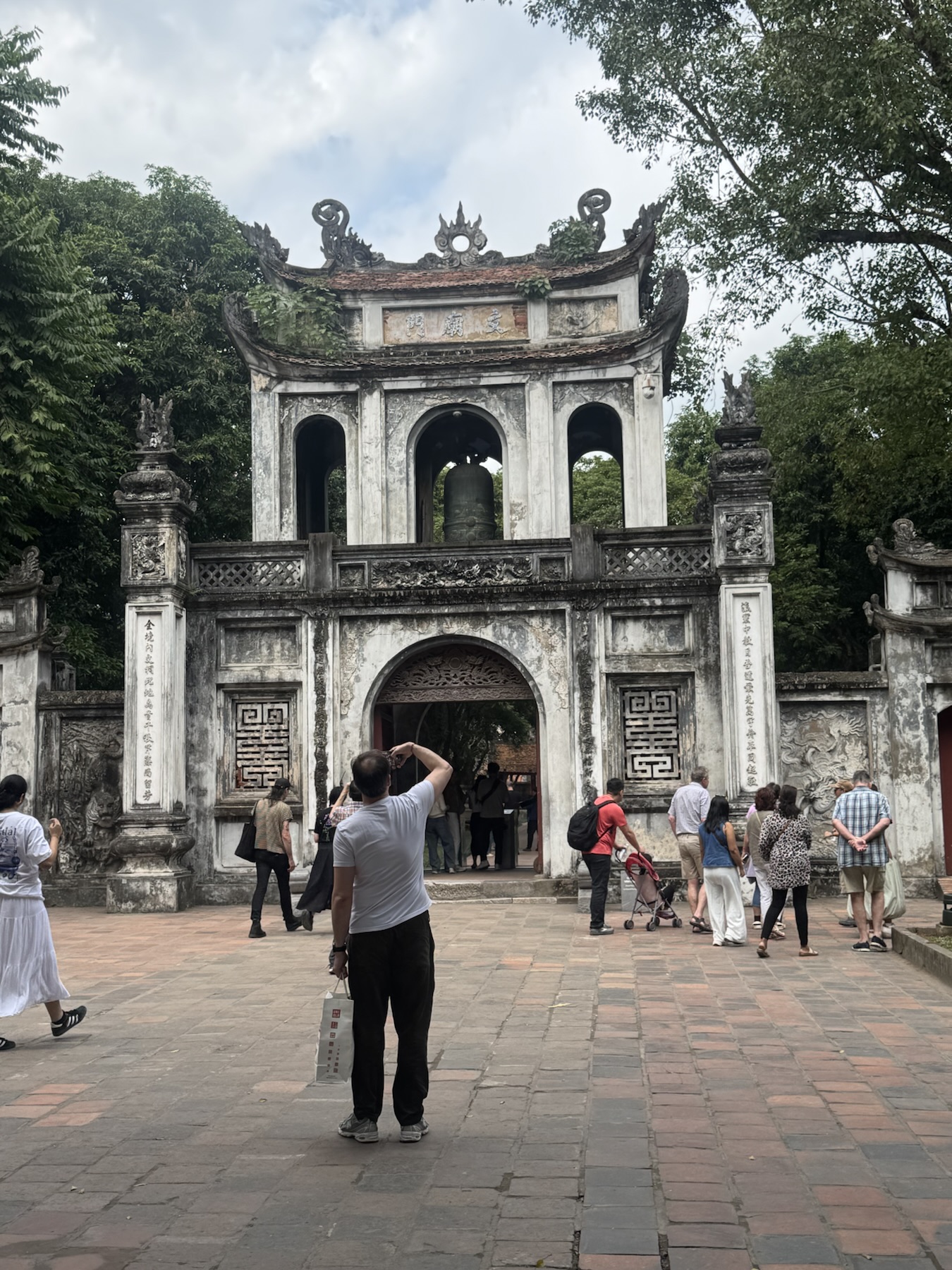
- The Great Middle Gate: Passing through the main gate, you enter the first courtyard, a serene space with ancient trees and well-kept lawns, immediately distancing you from the city’s noise.
- The Great Success Gate: The second courtyard is dominated by the iconic Khue Van Pavilion (Các Khuê Văn). This elegant two-story wooden pavilion, with its unique rooftop featuring four radiating suns, is the unofficial symbol of Hanoi. It was where poetry competitions and scholarly debates were held.
- The Sanctuary of the Stelae: This is the heart of the temple’s historical legacy. Here, you’ll find 82 turtle steles in Temple of Literature, resting on stone tortoises—symbols of longevity and wisdom. Each stele is a masterpiece of stone carving, inscribed with the names, birthplaces, and achievements of 1,306 doctoral laureates from exams held between 1442 and 1779. The meaning of the turtle steles is profound: they are eternal monuments to scholarly achievement and a powerful reminder of Vietnam’s dedication to meritocracy. Understanding their inscriptions offers a direct connection to the scholars of old.
- The Sage’s Courtyard: The fourth courtyard surrounds the main temple buildings. At its center is the House of Ceremonies (Đại Bái Đường), a majestic hall where offerings were made to Confucius. This area is richly decorated with altars, antique furniture, and ceremonial objects.
- The Grounds of the Imperial Academy: The final courtyard once housed the actual university—dormitories, lecture halls, and a printing house. While much was destroyed over time, reconstructions and archaeological displays give a vivid sense of student life centuries ago.
A Living Tradition: Student Wishes and Modern Relevance
The Temple of Literature is far from a static museum. It remains a vibrant cultural site, especially during crucial exam periods. You’ll likely see countless Vietnamese students visiting to make student wishes for exams at Temple of Literature. They gently touch the heads of the stone turtles for wisdom and luck, and leave offerings of pens, notebooks, and even bánh đậu xanh (green bean cake) at the altars. Witnessing this heartfelt ritual is a beautiful insight into the enduring value placed on education.
Furthermore, ongoing Temple of Literature Hanoi preservation efforts by the government and international organizations ensure this treasure is maintained for future generations. It’s a delicate balance between welcoming millions of visitors and protecting ancient stone and wood from wear and environmental damage.
Planning Your Visit: A Practical Guide
To make the most of your trip, here’s everything you need to know.
1. Temple of Literature Hanoi entrance fee and opening hours: The entrance fee is very reasonable (around 70,000 VND for adults, as of 2023). It’s open daily, typically from 8:00 AM to 5:30 PM (hours can vary seasonally, so check ahead).
2. Best time to visit Temple of Literature Hanoi: Early morning on a weekday is ideal to avoid the crowds of both tourists and local student groups. The light is also soft and beautiful for photography. Spring (Feb-April) and Autumn (Oct-Dec) offer the most pleasant weather.
3. How to get to Temple of Literature from Old Quarter: It’s an easy 15-20 minute walk south from Hoan Kiem Lake. Alternatively, a Grab bike or taxi is inexpensive and convenient. Its location makes it easy to combine with nearby attractions to Temple of Literature Hanoi, such as the Vietnam Fine Arts Museum, Hoa Lo Prison, and the bustling streets of the Old Quarter itself.
4. Dress code for visiting Temple of Literature Hanoi: As a sacred historical site, modest dress is required. Cover your shoulders and knees. This is respectfully enforced, but not r really.
4. Guided tour options for Temple of Literature: While you can explore independently with an audio guide or information panels, a knowledgeable local guide can bring the history and symbolism to life, explaining nuances you might otherwise miss.
4. Photography tips at Temple of Literature: The architecture offers endless frames. Use the gates to create natural frames within your photo. The turtle steles are best photographed in detail to capture their textures. The Khue Van Pavilion is stunning against a blue sky. Be respectful of worshippers and students when taking portraits.
Beyond the Temple Walls
After your visit, the reflection continues. The Temple of Literature’s legacy is everywhere in Vietnam—in the high value placed on family education, in the competitive university entrance exams, and in the national character. It stands as a powerful counterpoint to Vietnam’s martial history, celebrating the pen that shaped the nation as much as the sword that defended it.
In conclusion, the Temple of Literature is not merely a collection of old buildings; it is the enduring Confucian influence made stone, the chronicle of national intellect carved on turtle-back, and a living space where past and present scholarly aspirations meet. It offers a quiet hour of reflection, a profound history lesson, and a beautiful architectural experience. Allocate at least two hours to wander, contemplate, and appreciate this cornerstone of Vietnamese culture. In doing so, you won’t just see a monument—you’ll feel the scholarly heartbeat of Hanoi.