
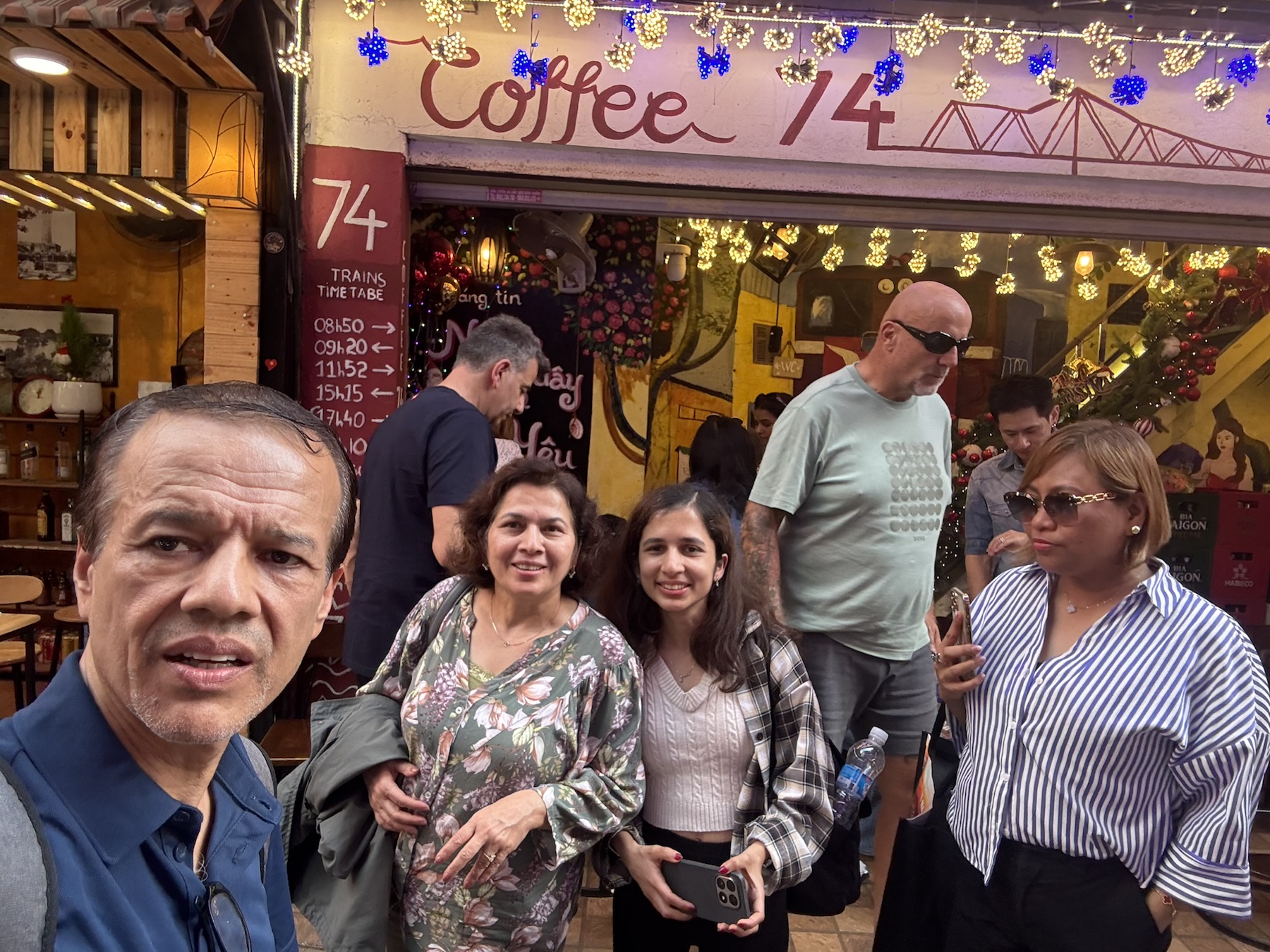
Hanoi, the bustling capital of Vietnam, is a city where history, chaos, and charm intertwine in unexpected ways. Among its many unique attractions, Train Street Hanoi stands out as one of the most thrilling and photogenic spots. This narrow street, lined with homes, restaurants, cafes, and shops, becomes a spectacle several times a day when a massive train rumbles through, passing mere inches from doorsteps and tables. It’s a perfect embodiment of Hanoi’s resilient spirit—locals and visitors alike adapt to the roaring locomotive, making it an unforgettable experience.
As of early 2026, Train Street Hanoi remains accessible to tourists, though with some nuances. The government has periodically imposed restrictions for safety reasons, but the southern section along Le Duan Street is generally fully open and unguarded, offering a more authentic and less crowded vibe. The northern part, closer to the Old Quarter along Tran Phu and Phung Hung streets, may have partial restrictions or require entry through a cafe, but cafes continue to welcome visitors. This balance allows travelers to enjoy the thrill while prioritizing safety.
A Brief History of This Unique Narrow Street
The origins of Train Street Hanoi date back to the French colonial era. In 1902, the French constructed Vietnam’s north-south railway line, which cut straight through what would become dense residential areas in Hanoi. Over time, as the city grew, homes were built incredibly close to the tracks, creating the impossibly narrow street we see today. In some sections, the gap between the train and buildings is less than a meter, forcing everyone to step aside when it passes.
For decades, this was simply part of everyday life for residents. Children played on the tracks between trains, families hung laundry overhead, and neighbors chatted over tea. Locals developed a seamless routine: at the sound of the approaching train, scooters were moved, chairs folded, and plants shifted—only to be rearranged moments later.
The transformation into a tourist hotspot began around 2017-2018 when social media photos and videos went viral. Entrepreneurs opened cafes along the tracks, inviting visitors to sip coffee while watching the train thunder by. Soon, dozens of restaurants, cafes, and shops sprang up, turning the narrow street into a lively hub. However, safety concerns arose as crowds grew, leading to temporary closures in 2019 and occasional restrictions since. By 2026, a more regulated approach prevails: cafes operate with safety protocols, and the quieter southern section thrives without heavy enforcement.
The Thrill of the Train Passing Through the Narrow Street
Nothing prepares you for the first time a train approaches on Train Street Hanoi. The ground vibrates, a distant horn blares, and cafe staff urgently shout instructions. Suddenly, the massive locomotive fills the entire narrow street, brushing past walls, tables, and onlookers. It’s exhilarating yet surreal— a reminder of how Hanoi blends tradition with the relentless pace of modern life.
There are two main sections to experience this:
1. The Northern Section (Old Quarter Area): Along Tran Phu, Phung Hung, and Dien Bien Phu streets. This is the most famous part, packed with colorful cafes, lanterns, and a vibrant atmosphere. It’s closer to tourist hubs like Hoan Kiem Lake, making it convenient. However, it can feel more commercialized, with higher crowds and occasional police presence at entrances.
2. The Southern Section (Le Duan Area): Near Alley 224 Le Duan and Kham Thien Street, opposite a small park. This quieter stretch offers a more genuine glimpse into local life. Fewer touristy setups mean a relaxed vibe, with residents going about their day. Many visitors prefer it for its authenticity and ease of access—no guards or escorts needed.
Train schedules vary and can be delayed by 15-30 minutes, so always confirm with cafe staff on the day. Typical 2026 times include mornings around 10-11 AM, afternoons at 3-4 PM, and multiple evening passes between 7-9:30 PM, with weekends often busier. Arriving 30-60 minutes early secures a good spot.
Cafes, Restaurants, and Shops: The Heart of Train Street
What elevates Train Street Hanoi from a mere curiosity to a full-day hangout are the restaurants, cafes, and shops that line the tracks. These family-run businesses have adapted brilliantly, offering front-row seats to the action.
Popular cafes include:
• Hanoi 1990s Cafe: Known for friendly owners who help with photos and serve excellent cold egg coffee—a Hanoi specialty of strong brew topped with whipped egg yolk.
• Railway Cafe: Often credited as one of the originals, with trackside seating and a cozy, nostalgic decor featuring old railway memorabilia.
• Coffee Chill or 65 Railway Coffee: Relaxed spots in the southern section, ideal for a quieter experience with affordable drinks and attentive service.
• ChuChu Railways or Little Forest Cafe: Colorful, photo-friendly options with balconies for elevated views.
Most places expect you to order at least one drink (around 50,000-100,000 VND, tourist prices but reasonable for the view). Try classics like egg coffee, iced tea, or fresh coconut. Some double as small restaurants, serving snacks like spring rolls or pho.
Beyond drinks, shops add to the charm. Browse handmade souvenirs—yarn keychains, embroidered bags, postcards, or train-themed trinkets. Street vendors sell fruits, grilled corn, or banh mi sandwiches. Nearby Phung Hung Street features murals and more food stalls, perfect for extending your visit.
The atmosphere shifts by time: Mornings are calm for photos, afternoons lively with locals, evenings magical with lights and multiple trains.
Practical Tips for Visiting Train Street Hanoi
To make the most of your visit:
• Getting There: From the Old Quarter, walk 15-30 minutes or take a Grab ride (cheap and reliable). For the southern section, search “Ngo 224 Le Duan” on maps.
• Safety First: This is an active railway. Stay behind marked lines, listen to cafe staff, and never step on tracks unnecessarily. No photo is worth risking your life—past incidents led to restrictions.
• Best Practices: Be respectful of residents; this is their home. Support local businesses by ordering something. Avoid peak crowds if possible by choosing the southern section or off-times.
• What to Bring: Comfortable shoes for walking, cash for small purchases, and a fully charged phone for photos (but prioritize the moment!).
• Alternatives if Restricted: If one section is temporarily closed, head to the other. Or explore similar vibes at Long Bien Bridge for train views without the narrow confines.
Train Street Hanoi captures the essence of Vietnam: adaptability, community, and unscripted excitement. In this narrow street, where a train shares space with restaurants, cafes, and shops, you’ll witness daily life uninterrupted by the roar of progress. It’s more than a tourist spot—it’s a living testament to Hanoi’s enduring character. Whether you’re sipping coffee as the ground shakes or browsing shops post-pass, the experience lingers long after the train fades into the distance.
Plan your visit soon, follow local guidelines, and immerse yourself in one of Asia’s most captivating urban wonders. Hanoi awaits with its narrow streets and boundless energy.