
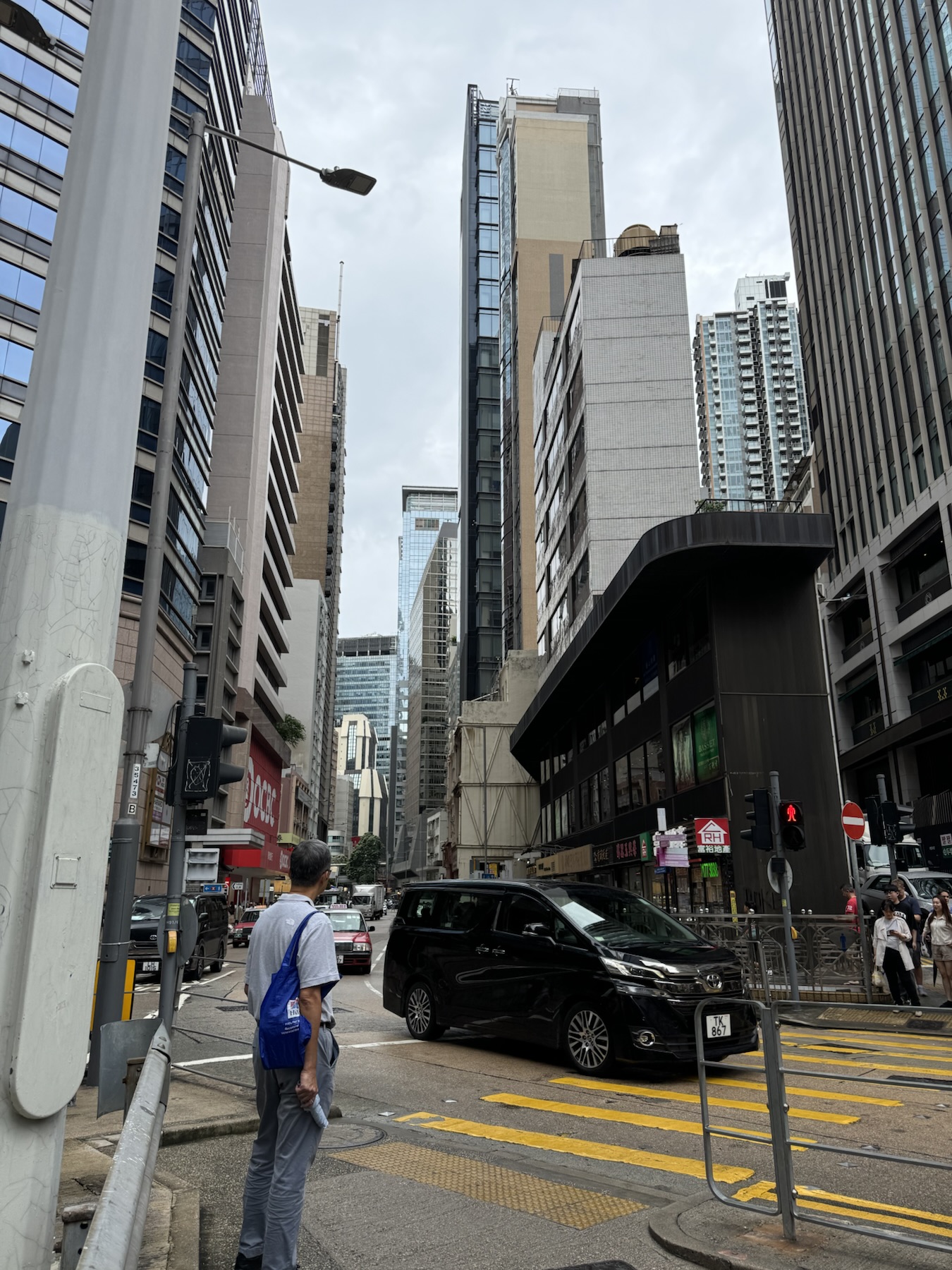
Hong Kong is a city full of energy and creativity, and one of the best ways to see this is through its street art and culture. Over the past several years, this vibrant city’s creative side has blossomed into a colorful world filled with murals, graffiti, and other forms of artistic expression. In this blog, we will explore the importance of street art, its invention and evolution, and its incredible impact on society, especially in Hong Kong. Along the way, we will introduce you to many types of art such as abstract art, famous paintings, landscape painting, line art, and modern art, among others. We will also touch on art forms like metal wall art, resin art, mosaic art, and more, helping you understand and appreciate this lively cultural scene.
Table of Contents
The History of Street Art in Hong Kong
Street art, as a form of expression on public surfaces, is believed to have evolved from graffiti, an art form that started as a rebellious, underground culture. Graffiti was initially created by artists who used walls and public spaces anonymously to express their feelings, ideas, or social messages. Over time, this art form was embraced by various communities, turning from illegal graffiti into more accepted, even celebrated street art and murals.
Hong Kong’s street art scene was minimal a few decades ago, and graffiti was mostly seen as vandalism. However, today, street art can be found all over the city, from the bustling neighborhoods of SoHo and Sheung Wan, to the hidden alleys of Sai Ying Pun and Sham Shui Po. This change has been fostered by street art festivals and organizations like HK Walls, who have helped make the city a hub for both local and international artists.
The Importance and Impact of Street Art
Street art is important because it enriches urban environments, making daily life more colorful and interesting. It adds personality to neighborhoods and can even help communities feel more connected and proud of where they live. For many artists, street art is a way to communicate political and social ideas in a public forum, encouraging conversation and awareness.
In Hong Kong, street art has played a role in the city’s identity, blending traditional and modern influences. It reflects Hong Kong’s unique culture, where East meets West and history meets innovation. Beyond beautifying walls and public spaces, street art has social and economic impacts. It can attract tourists, bring business to local shops, and inspire young artists to pursue their talents.
Types of Art Found in Hong Kong’s Street Culture
-
Abstract Art: This form of art uses shapes, colors, and forms to express ideas without directly representing real things. Many street artists use abstract art to convey emotions and create visually striking murals.
- Famous Painting Styles: Artists may recreate or take inspiration from well-known art styles or famous paintings, bringing classic art into the modern street context.
- Art for Walls Decor: Street art often serves as decoration for buildings and walls, making urban spaces feel more welcoming and lively.
- Landscape Painting: Some murals depict natural scenes like mountains, rivers, and cityscapes, offering a breath of fresh air in busy city environments.
- Line Art: This style uses clean lines to create simple yet impactful images. It’s popular in stencils and graffiti art.
- Modern Art: Street art today borrows ideas from modern art movements—focusing on innovation, new techniques, and mixed media to surprise and engage viewers.
Other Popular Art Forms in Hong Kong
- Graffiti Art: The roots of street art, graffiti remains popular for its bold, rebellious style with spray paint.
- Murals: Large paintings on building walls, these often tell stories or celebrate cultural heritage.
- Metal Wall Art: Some street artists use metal pieces to create three-dimensional works attached to walls.
- Butterfly Pictures: Symbolizing transformation, butterfly paintings add beauty and meaning to public spaces.
- Resin Art: A newer form of street art where artists use resin to add texture and shine to their creations.
- Romanticism Art: Inspired by the 19th-century movement, this style emphasizes emotion and nature, occasionally appearing in murals.
- Art Easel Displays: Sometimes, street artists showcase their works on easels during outdoor exhibits.
- Cool Art: This broad term refers to art that captures attention for its originality and style—often a hallmark of Hong Kong’s street scene.
- Day of the Dead Art: Inspired by Mexican culture, this art style features colorful skulls and celebrations of life and death.
- Sand Art: Although less common in urban street art, sand art symbolizes creativity with natural materials.
- Christian Art: Religious-themed images sometimes appear, reflecting Hong Kong’s diverse cultural tapestry.
- Art Deco Style: This decorative style from the early 20th century influences some street art with its geometric patterns.
- Art Exhibit Description: Many street art festivals provide detailed descriptions of artworks to educate and engage the public.
- Mosaic Art: This ancient form uses small pieces of stone or glass to create images, sometimes recreated as street murals.
How Street Art Was Invented and Evolved
Street art was born out of graffiti, which started in the 1960s and 70s in cities like New York as a form of rebellion and communication. The invention of aerosol spray paint allowed artists to quickly create large images on walls. Over time, street art evolved from simple tags (signatures) to intricate murals, incorporating various techniques like stenciling, wheat-pasting, and mixed media.
In Hong Kong, street art has only flourished more recently due to local artists’ efforts and programs like the HK Walls street art festival. These efforts have provided platforms for artists to showcase their talents legally and interact with the community positively, blending local culture with global art trends.
Impact on Society
Street art’s impact on society is vast. In cities, it transforms ugly or neglected walls into landmarks admired by residents and tourists alike. It encourages discussions about culture, politics, and social issues. While some argue street art can drive up property prices and cause gentrification, when done thoughtfully, it can revitalize neighborhoods and promote cultural heritage.
In Hong Kong, street art has become a form of cultural expression that connects people to their city’s history and modern identity. It encourages creativity and pride in public spaces. It also raises awareness about urban issues and inspires new generations to value both art and their community.
Conclusion
Hong Kong’s street art and culture are dynamic and diverse, offering a creative experience unlike any other. From abstract art to famous painting styles, quirky resin art to grand murals, and cultural symbols like butterfly pictures and Christian art, the city’s streets are a living gallery of modern creativity. Street art has grown from rebellious graffiti into a celebrated cultural movement, leaving an indelible mark on society by beautifying spaces, fostering community spirit, and encouraging dialogue.
Next time you walk the streets of Hong Kong, look around and discover its creative side—rich in history, variety, and artistic passion that continues to thrive and inspire.